




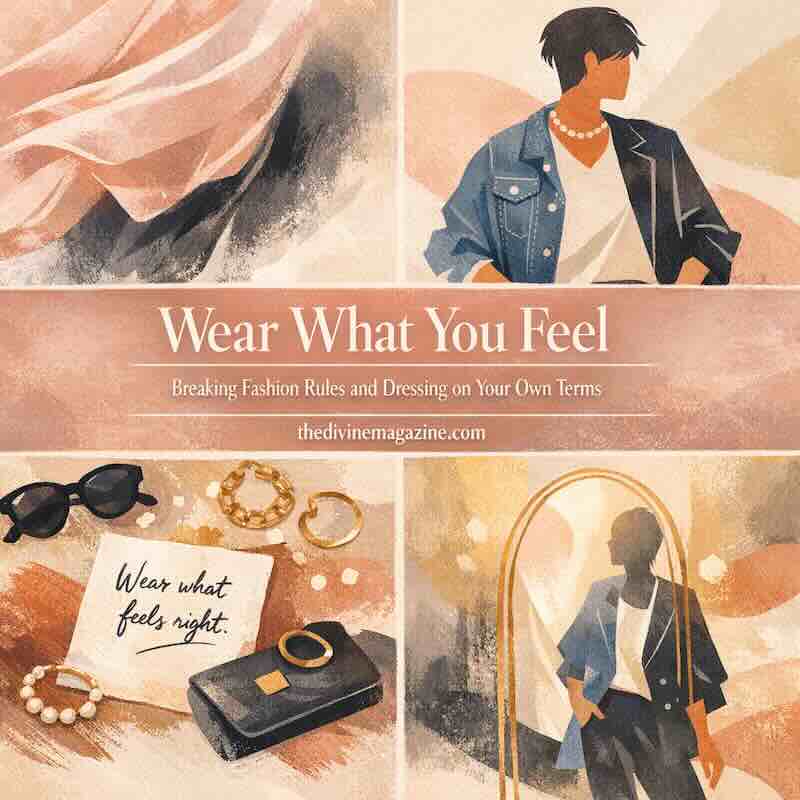
Fashion is often painted as this set of unspoken rules—what to wear at a certain age, how to dress based on your body type, and what’s “appropriate” for men or women. But here’s the truth: none of those rules matter if they don’t make you feel like you.
Real style doesn’t come from following guidelines. It comes from listening to how you feel—in your body, in your mood, in your identity—and using clothing as a form of expression.
You Don’t Owe Anyone “Flattering”
One of the biggest myths in fashion is that everything you wear needs to flatter your shape. However, who determines the true meaning of flattering? You don’t need to shrink, sculpt, or highlight anything unless you want to. Wear what feels good—physically and emotionally.
The Psychology of “Dopamine Dressing” in 2026
In 2026, the global fashion conversation has shifted toward dopamine dressing—the practice of wearing clothes specifically to boost your mood. According to research cited by Psychology Today, the colors and textures we choose can significantly impact our serotonin levels. Whether it is a vibrant neon blazer or a soft, silk slip, the sensory experience of clothing is now recognized as a vital component of mental well-being. This shift proves that fashion isn’t just about the “gaze” of others; it is about the internal state of the wearer.
Style has no gender, age, or rules.
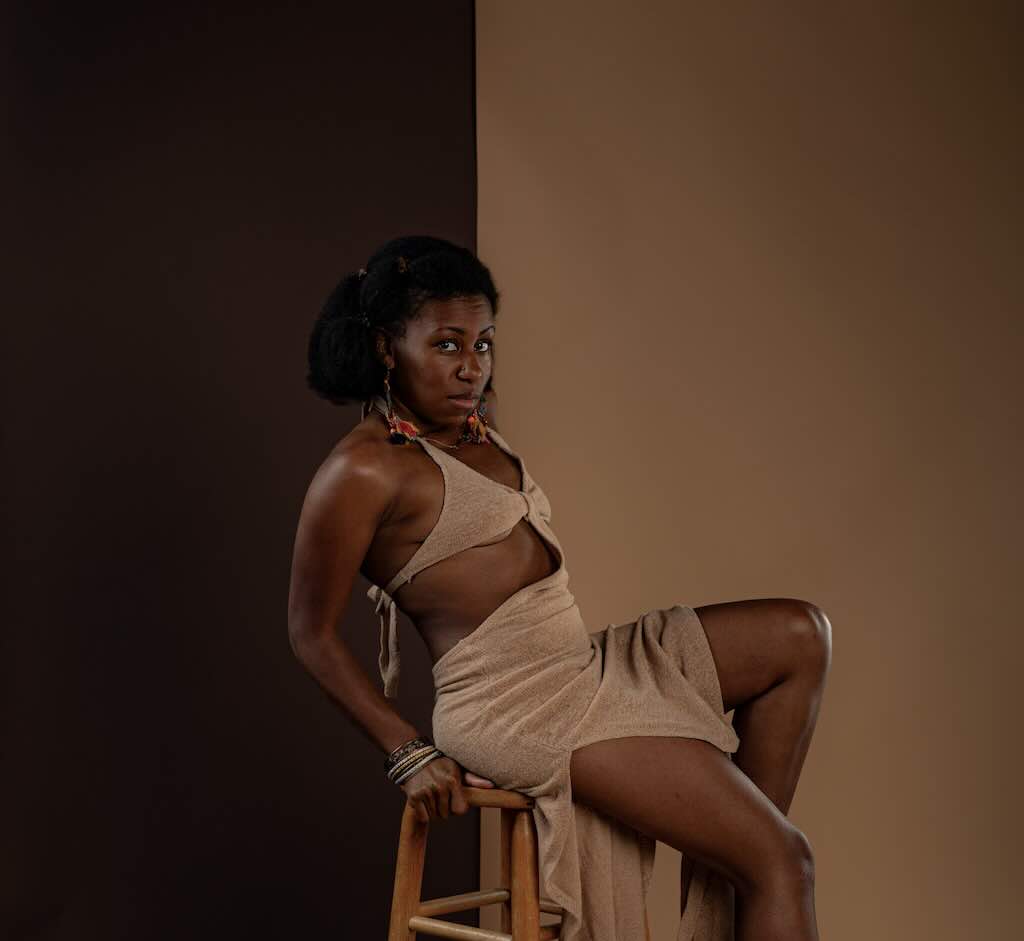
The idea that fashion belongs to certain genders or age groups is tired. Fashion is fluid. It adapts to your movements, evolves with you, and allows you to change direction without feeling guilty. This inclusivity is at the heart of modern brands like Be My Shine, which champion the idea that clothing should be a playground, not a prison.
Sustainability as Self-Respect
Part of expressing your true self in 2026 involves aligning your wardrobe with your values. The rise of circular fashion—renting, swapping, and investing in high-quality, gender-neutral pieces—allows for experimentation without the environmental guilt. By choosing pieces like gender-fluid skirts for expressive styling, you are participating in a movement that prioritizes ethical production and long-term wearability over fleeting, restrictive trends.
Experiment like it’s your superpower.
There’s something incredibly freeing about trying on a piece you never thought you’d wear. The more you experiment, the more permission you give yourself to show up honestly—no filter needed. This approach isn’t just stylish. It’s healing.
Conclusion: The Future of Your Wardrobe
Ultimately, your wardrobe should be the most honest room in your house. In an era where “perfection” is often manufactured through a screen, wearing what truly resonates with your spirit is a quiet act of rebellion. Whether you are leaning into maximalist layers or minimalist silhouettes, remember that fashion is a daily collaboration between your internal mood and your external world. Don’t dress for the person you think you should be; dress for the person you are in this very moment. When you stop trying to fit the look and let the look fit you, you don’t just look better—you breathe easier.
Frequently Asked Questions (FAQ)
Q: What is gender-fluid fashion?
A: Gender-fluid fashion refers to clothing that is designed without a specific gender in mind, or the practice of wearing pieces traditionally associated with a different gender to express a unique personal identity.
Q: How can I start experimenting with my style if I’m nervous?
A: Start small. Incorporate one “unconventional” piece into a trusted outfit—like a bold skirt with a standard t-shirt, or a sheer layer under a blazer. Notice how it changes your posture and mood throughout the day.
Q: Does “Dopamine Dressing” only mean wearing bright colors?
A: Not at all. While bright colors often stimulate the brain, “Dopamine Dressing” is subjective. If wearing all-black makes you feel powerful, safe, and confident, then that is your version of mood-boosting attire.
Q: Is it “too late” to change my style after a certain age?
A: Never. Style is a living thing. Some of the most influential fashion icons, such as Iris Apfel, reached their most expressive peaks later in life. Age is simply another rule waiting to be broken.