







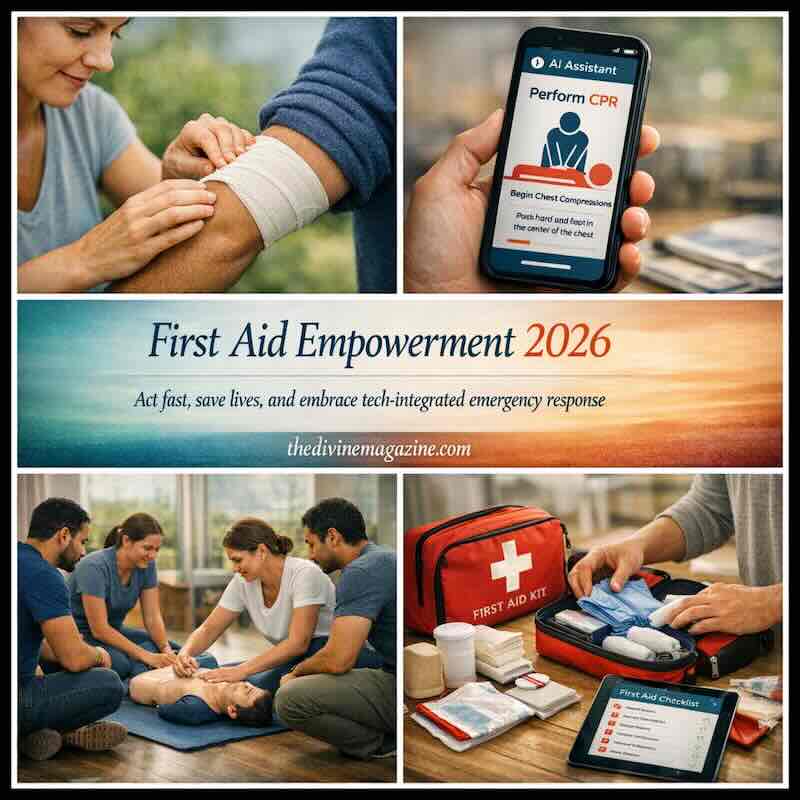
But what if you had the power to make a real difference? Knowing basic first aid can be the game-changer in those critical moments, allowing you to act quickly and confidently to help someone in need. From treating minor cuts to managing serious, life-threatening injuries, first aid is an incredibly powerful tool that can save lives. And the best part? It’s easier to learn than you think, especially with the 2026 shift toward accessible, tech-integrated emergency response.
Key Takeaways:
- Act Quickly: In emergency situations, every second counts. Knowing basic first aid techniques enables you to respond rapidly and effectively, which can greatly improve outcomes.
- Minor to Serious Injuries: First aid skills equip you to manage serious injuries, such as bleeding, broken bones, and cardiac arrests.
- Empowerment through Knowledge: Having first aid knowledge reduces feelings of panic and uncertainty.
- Versatility: These skills apply everywhere—from workplace accidents to digital-nomad adventures.
- Lifesaving Impact: Mastery is often the difference between a tragedy and a recovery.
CPR (Cardiopulmonary Resuscitation)
For anyone who’s ever witnessed a medical emergency, the thought of performing CPR can be daunting. But trust us, it’s a skill worth mastering. After all, every minute counts when someone’s heart stops beating, and knowing CPR can mean the difference between life and death. In 2026, many cities are now equipped with publicly accessible AEDs (Automated External Defibrillators); knowing CPR is the “bridge” that keeps a person viable until that machine—or a professional—arrives.
When to Administer CPR
With cardiac arrests happening suddenly, recognition is vital. If someone is unresponsive, not breathing, or only gasping for air (agonal breathing), don’t hesitate – start CPR immediately. For more on recognizing heart issues, visit the American Heart Association.
The Correct Technique
For effective CPR, proper technique is key. Start by calling 911 or your local emergency number, then begin chest compressions. Place the heel of one hand on the center of the person’s chest, with your other hand on top, and push down to a depth of 2-3 inches at a rate of 100-120 compressions per minute (think of the beat to “Stayin’ Alive”).
The Heimlich Maneuver (Abdominal Thrusts)
Choking is a high-stakes emergency. According to the American Red Cross, it remains a leading cause of unintentional injury death. But with the right technique, you can save a life.
Performing the Maneuver
Stand behind the person and wrap your arms around their waist. Make a fist with one hand, placing it just above the navel, and grasp it with your other hand. Give five quick upward thrusts. If the person is an infant or pregnant, the technique varies slightly—always ensure you are using the correct method for the person’s size.
Managing Bleeding
Bleeding can be messy and terrifying, but it is one of the most “fixable” emergencies if you have a clean cloth and a bit of nerve.
Applying Pressure
Apply direct pressure using a clean cloth or bandage. If the blood soaks through, do not remove the first cloth (you’ll pull off the starting clot!); just add more layers on top. In 2026, “Stop the Bleed” kits are becoming common in public spaces. These kits often include tourniquets for severe limb injuries. For guidance on professional-grade bleeding control, see the Stop The Bleed campaign.
Treating Burns
Burns come in degrees, like college diplomas, but much less rewarding. Understanding the layers of skin involved will guide your approach.
Cooling and Soothing
Cool the burn with running water for at least 10-20 minutes. Never use ice, butter, or weird internet-remedy oils; these trap heat or cause infection. Cover loosely with a sterile, non-stick dressing. If the burn is larger than the person’s palm or looks “charred,” seek medical help immediately.
Stabilizing Fractures
If a bone looks like it’s trying to exit the body or is bent like a piece of abstract art, it’s likely a fracture. Your goal is to keep things still. Use a makeshift splint—a rolled magazine or even a sturdy umbrella—to immobilize the joints above and below the break.
Conclusion: The Hero in the Mirror
Mastering these techniques isn’t just about passing a quiz; it’s about having the “internal firmware” to act when everyone else is staring at their phones. In 2026, being prepared is the ultimate form of community care. Whether it’s a minor kitchen burn or a major cardiac event, your hands have the potential to rewrite someone’s story. So, keep your head clear, your kit stocked, and your skills sharp. You’re ready.
FAQ
Q: How has first aid changed in 2026?
A: The biggest change is the integration of technology. Many 911 dispatchers can now use your smartphone camera to guide you through CPR in real-time. Additionally, smartwatches can now detect falls or heart irregularities and alert help automatically.
Q: Do I need a certificate to help someone?
A: No. “Good Samaritan” laws generally protect those who act in good faith during an emergency. While being certified is better, doing something is almost always better than doing nothing.
Q: Can I use AI to help me during an emergency?
A: Yes! Modern AI assistants can provide verbal step-by-step instructions for things like the Heimlich maneuver or wound care. However, having the knowledge in your own brain is much faster when seconds count.
Q: Where can I get a 2026-standard first aid kit?
A: Look for kits that include hemostatic (blood-clotting) gauze, a tourniquet, and a CPR face shield. You can find pre-assembled kits through the Red Cross Store.