







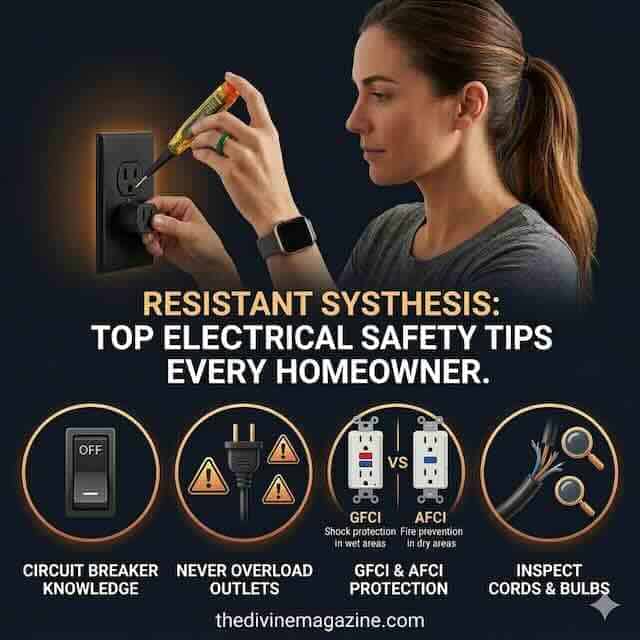
Electrical safety is one of the most important—and most overlooked—parts of maintaining a secure and comfortable home. While electricity powers everything from your lighting to your daily conveniences, it can also pose serious risks when systems are outdated, overloaded, or improperly maintained. The good news is that most electrical hazards are entirely preventable with a bit of awareness and consistent upkeep.
- Key Takeaways
- Conduct Regular Electrical Inspections
- Avoid Overloading Outlets and Circuits
- Install GFCI Outlets in Moisture-Prone Areas
- Replace Damaged Cords and Wiring
- Keep Electrical Devices Away from Water
- Use Extension Cords Sparingly
- Educate Your Family on Electrical Safety
- Hire Licensed Professionals for Electrical Work
Whether you’re a new homeowner or simply looking to make your living space safer, understanding the basics of electrical safety can protect your family, your property, and your peace of mind. From routine inspections to smart upgrades like whole‑house surge protection, small steps can make a big difference. Below are the key takeaways that will help you create a safer home environment and reduce the risk of electrical accidents.
Key Takeaways
- Regularly inspect and maintain your home’s electrical system to prevent hazards.
- Avoid overloading outlets and circuits to reduce fire risks.
- Install Ground Fault Circuit Interrupter (GFCI) outlets in moisture-prone areas.
- Replace damaged cords and wiring promptly.
- Keep electrical devices away from water sources.
Electrical safety is essential in every household to protect your family and property from harm. Simple practices and regular maintenance can go a long way in reducing electrical hazards. For professional assistance, it is always advisable to contact a certified best electrician in Fort Mill to ensure your home’s safety and compliance with industry standards.
Many electrical dangers are preventable with awareness and proactive measures. Using modern safety devices, staying alert to warning signs, and following best practices help reduce the risks associated with your home’s wiring. Families should value their safety as much as their comfort, making electrical awareness an everyday priority.
Electricity powers almost every aspect of modern homes, from entertainment to essentials like heating and lighting. Neglecting safety can lead to serious consequences, including electrical shocks, appliance damage, or even fires. Homeowners should conduct regular safety checks and maintain safe habits to keep their loved ones and property protected at all times.
Safety also includes investing in safety upgrades. An excellent addition for protection is whole house surge protection. This installation shields appliances from unpredictable surges that can otherwise cause expensive damage and inconvenience.
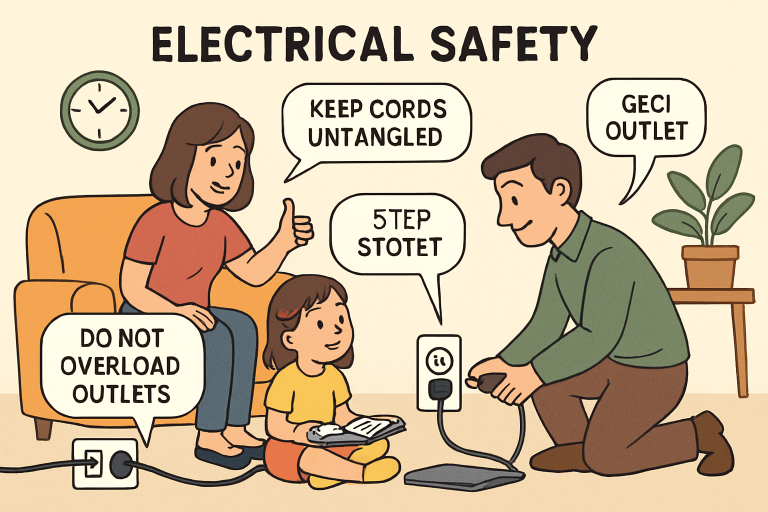
Conduct Regular Electrical Inspections
Regular inspections play a fundamental role in preventing electrical issues before they escalate. Homeowners should check for visible warning signs such as flickering lights, buzzing from outlets, or scorch marks near plugs and switches. These symptoms may indicate a problem with wiring behind the walls. If you notice any of these warning signs or experience frequent circuit breaker trips, it is time to call an electrician. For an in-depth overview of what to look for during home inspections, the CPSC’s Guide to Home Wiring Hazards is a valuable resource.
Avoid Overloading Outlets and Circuits
Overloading outlets with too many appliances can be dangerous, leading to excessive heat buildup and increasing the risk of electrical fires. Spread out how you use appliances to avoid overloading any single socket. Use quality power strips equipped with built-in circuit breakers for additional safety. Never daisy-chain extension cords or power strips, as this is a common cause of home fires.
Install GFCI Outlets in Moisture-Prone Areas
Kitchens, bathrooms, and outdoor outlets are all at high risk of moisture, making them more susceptible to electrical faults. Ground Fault Circuit Interrupter (GFCI) outlets automatically disconnect power when sensing a potential ground fault, significantly reducing the risk of electric shock. These outlets should be checked periodically using their “test” and “reset” buttons to ensure they are functioning correctly. Learning about how GFCIs work can provide extra peace of mind, and the U.S. Fire Administration’s Appliance and Electrical Fire Safety offers helpful tips on electrical safety devices.
Replace Damaged Cords and Wiring
Exposed or frayed wires can be hazardous and should be replaced immediately upon discovery. Do not rely on temporary fixes such as wrapping cords in electrical tape. Check your homes’ cords frequently, especially those behind furniture and commonly used appliances. Damaged cords can lead to fires, shocks, or even severe injury, so prompt attention and replacement are critical.
Keep Electrical Devices Away from Water
Electrical appliances and water are a dangerous combination. Avoid using hairdryers, radios, or extension cords near sinks, bathtubs, or pools. Always dry your hands before touching appliances or light switches. Parents should be especially cautious about children using electrical toys or gadgets near water sources. Remember, even small splashes or dampness can create a serious shock hazard.
Use Extension Cords Sparingly
Extension cords are a convenient solution for short-term power needs, but should not be used as a permanent wiring solution. Over time, extension cords can wear down, increasing the risk of fires or short circuits. If you find yourself needing multiple extension cords in a single room, it is time to install extra outlets and upgrade your electrical system as required.
Educate Your Family on Electrical Safety
Education is perhaps the most powerful tool in maintaining a safe household. Parents should teach children to keep away from outlets, avoid inserting foreign objects into outlets, and report any electrical issues immediately. It is a good idea to discuss safety protocols, such as what to do if an outlet emits smoke or a burning smell, so everyone in the household remains alert and informed. Resources like CPSC’s Guide to Home Wiring Hazards provide useful educational material for all age groups.
Hire Licensed Professionals for Electrical Work
Attempting electrical repairs or installations without the appropriate expertise can result in code violations, injury, or long-term hazards. Always rely on trained and licensed electricians for significant maintenance, upgrades, or wiring projects. These professionals ensure your home complies with all safety codes and industry best practices, helping minimize risks and keep your electrical system running smoothly.
Integrating safety habits, timely upgrades, and family education can dramatically reduce the risks associated with electricity in your home. Regular inspections, proactive repairs, and professional advice are key. Keeping your household safe is an ongoing commitment that will pay off in peace of mind and protection for years to come.