







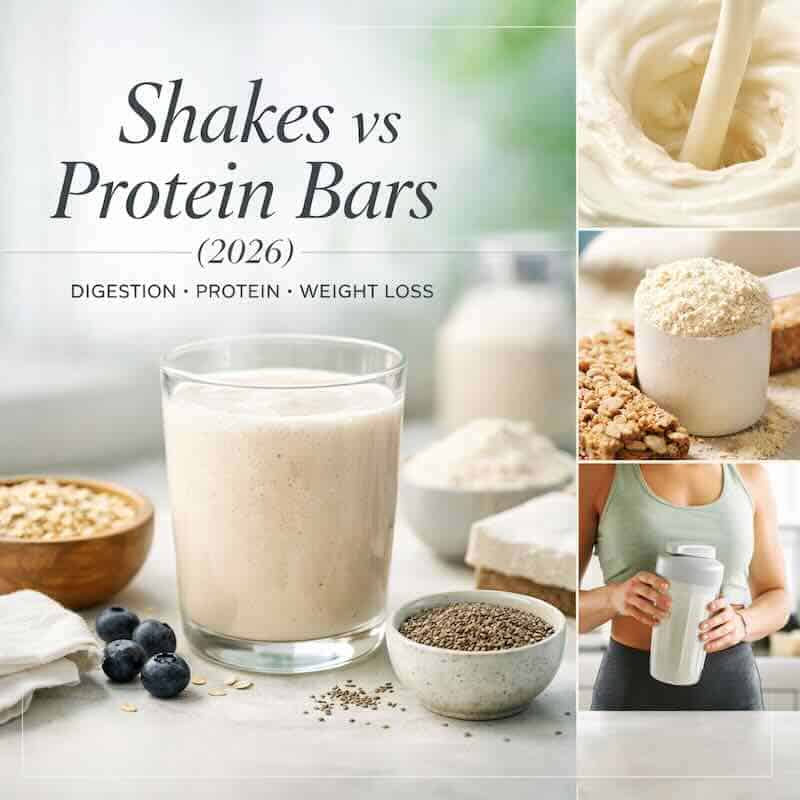
By 2026, the world of dieting and weight management has moved far beyond simple calorie counting. New trends now focus on high-protein, convenient options like shakes, smoothies, and bars that promise faster results, better satiety, and easier on-the-go nutrition. Many people now routinely swap one or two meals a day for protein-based products in an effort to lose weight, support fitness goals, or simplify busy schedules.
- What is a Meal Replacement Shake?
- How Does a Meal Replacement Shake Promote Health and Wellness?
- Do Meal Replacement Shakes Provide Better Nutrition Than Protein Bars?
- Things to Avoid When Choosing a Meal Replacement Shake
- Conclusion
- FAQ: Meal Replacement Shakes vs Protein Bars in 2026
- 1. Can I replace all my meals with shakes?
- 2. Are protein bars always less healthy than shakes?
- 3. How many grams of protein should a good shake have?
- 4. Are plant-based protein shakes effective for weight loss?
- 5. Do artificial sweeteners in shakes and bars affect health?
- 6. Is it better to make my own shakes at home?
- 7. Should I talk to a professional before using meal replacements regularly?
Armed with this knowledge, many people have taken to substituting meals with protein bars and shakes in order to lose weight faster. One of the most popular dieting trends these days is the use of protein shakes and other meal replacement products as a means to help with weight loss.
However, the market for protein bars and shakes has become flooded with new products that are more like candy than healthy snacks. Many of these protein bars and shakes might also contain artificial sweeteners and other additives that aren’t as healthy as they sound. To make informed choices in 2026, it’s worth understanding what’s actually in your shake or bar and how it fits into your overall diet. For general guidance on healthy eating patterns, see resources like the World Health Organization’s healthy diet overview and the British Nutrition Foundation’s healthy eating advice.
So which is the healthier option? Read on to find out.
What is a Meal Replacement Shake?
Meal replacement shakes are a type of food designed to replace traditional meals. They are usually high in nutrients and calories and contain all the essential vitamins and minerals needed for a healthy diet.
Meal replacement shakes are a convenient and nutritious way to fuel your body, whether you’re looking to lose weight, gain muscle, or simply maintain your health. There are many different brands and flavors of meal replacement shakes on the market, so it’s important to find one that suits your individual needs and preferences.
The best meal replacement shakes offer a variety of benefits that can be helpful for people looking to improve their health and fitness. For one, they’re a quick and easy way to get all the nutrients your body needs in one meal. They’re also often lower in calories and fat, and high in protein, which makes them an ideal choice for people trying to lose weight.
Another benefit of meal replacement shakes is that they’re a great way to fuel your body before or after a workout. The protein in the shakes helps to build and repair muscle, while the carbohydrates provide energy. For more on protein and exercise, you can explore the American College of Sports Medicine’s guidance on protein intake.
An example of a meal shake or weight loss shake is a protein shake. A protein shake is a highly nutritious beverage that can be consumed on a regular basis to aid in weight management, muscle development, and overall health.
As a meal replacement or post-workout drink, a protein shake can provide a quick source of essential nutrients like protein and essential amino acids. They can also help to satiate hunger and curb cravings, making them an easy way to balance out a diet.
How Does a Meal Replacement Shake Promote Health and Wellness?
A daily protein shake can be a great way to promote health and wellness. The benefits of a healthy diet combined with a daily protein shake are numerous.
They include increased energy levels and improved muscle tone, all of which can help you feel more alert and energetic throughout the day.
Additionally, a daily protein shake can help keep your body satisfied and prevent cravings. This can help you maintain overall good health.
A protein shake is usually made by blending ice, protein powder, and liquid (such as water or milk). The type of protein powder you choose will affect the overall consistency of the shake.
For example, whey protein powder creates a thicker shake than soy protein powder. If you’re trying to lose weight, look for low-fat options in addition to high-quality protein powders. For evidence-based information on protein needs, see the British Nutrition Foundation’s protein guide.
Do Meal Replacement Shakes Provide Better Nutrition Than Protein Bars?
It’s important to remember that everyone’s definition of “better” can be different. We all have different needs and lifestyles, so it’s important to find the right fit for you.
Most dietary decisions are hardly as simple as black and white. This is because they’re usually made while considering other factors that may be unique to you, such as time, budget, medical conditions, and personal preferences.
In 2026, both shakes and bars can be part of a balanced diet, but there are some key differences worth noting.
- Shakes Are Easier to Digest
When you consume food, it is broken down into nutrients by enzymes in your stomach. If you suffer from an upset stomach or indigestion, it could be due to a deficiency in any of these enzymes.
Image source: Pexels.com
Shakes are better in this regard because they are already broken down into very small particles. This means you don’t need as much digestive enzyme activity as you would to break down a solid food item.
You may even find that consuming meal replacement shakes is more effective at reducing your stomach pain than eating a solid food item because the particles are so small they are quickly absorbed by the body. For more on digestion and liquid meals, see Harvard Health’s overview of meal replacement diets.
- Shakes Contain More Protein
One main difference between protein shakes and protein bars is that shakes often contain more protein than bars. If you’re looking for a quick fix of protein after a workout, a protein shake is a great option.
Shakes are typically made with whey or casein protein, which is easily absorbed by the body. They also contain about 20 – 30 grams of protein. Protein bars, on the other hand, contain about 10 – 20 grams of protein, so they deliver less protein per gram.
So if you’re looking for a quick way to replenish your muscles after a workout, a protein shake is a great choice.
- Shakes Help With Weight Loss
One of the biggest benefits of meal replacement shakes is that they can be a great addition to your weight loss plan. They often contain less sugar and fewer calories than many protein bars, so they may be less likely to add to your waistline when used appropriately.
Protein bars are also often made with high fructose corn syrup, which has been linked to weight gain and diabetes. Protein bars also have a high sodium content, which can lead to high blood pressure.
Due to the fact that shakes are made from protein powder and other healthy ingredients, they are a much healthier option when chosen carefully. Shakes made with whey protein are high in the amino acid leucine, which has been linked to fat burning.
Protein shakes made with plant-based protein are still high in leucine and are also high in iron, which is important for weight loss and metabolism.
Plus, the protein in a shake can help keep you feeling fuller longer, so you’re less likely to snack on unhealthy foods. For more on protein and weight management, see the Obesity Action Coalition’s guide to protein and weight management.
Things to Avoid When Choosing a Meal Replacement Shake
There are a lot of protein bars and shakes on the market, and it’s important to know that not all of them are created equal. Unfortunately, many of the store-bought ones are full of food additives and heavily-processed ingredients that can cause unpleasant side effects.
That’s why we recommend making your own protein shakes with protein powder. However, you have to be careful with some protein powders, too, since they can also contain additives.
These are a few ingredients to avoid;
- Dairy
If you have lactose intolerance or irritable bowel syndrome (IBS), you may want to avoid dairy-based proteins like whey and casein. These proteins are byproducts of cheese and yogurt production and can cause digestive issues.
Image source: Pexels.com
- Protein Concentrates
It can be difficult to find an additive-free, dairy-free protein supplement. Finding an additive-free, dairy-free protein supplement made with real foods can be even more challenging. This is because many protein supplements are made with protein isolates and concentrates.
These are foods that have had everything stripped from them except for protein. They are listed on the ingredient list as “pea protein,” for example, instead of “peas.”
- Food Additives
If you find that you’re experiencing GI side effects like bloating, constipation, diarrhea, or gas after eating protein bars or drinking protein shakes, it could be because of the food additives they contain.
These additives can be difficult to digest, especially in large quantities, and can build up over time if you’re eating or drinking them every day.
If you’re concerned about the effects of food additives, talk to your doctor or a registered dietitian to see if they could be causing your symptoms. You can also review ingredient safety using resources like the USDA FoodData Central or the European Food Safety Authority’s food additive information.
Conclusion
Overall, protein shakes and meal replacement shakes are often a better diet option than many protein bars, especially in 2026’s crowded snack market. They are easier to digest, more filling, can be consumed anywhere, and typically provide more protein and nutrients per serving when chosen wisely.
They also don’t usually leave you feeling as bloated, and can support weight loss and muscle maintenance when combined with a balanced diet and active lifestyle. Shakes have many benefits over protein bars and are a healthier and more convenient option for those who like to drink their meals—literally—provided you pay attention to ingredients, added sugars, and overall calorie intake.
FAQ: Meal Replacement Shakes vs Protein Bars in 2026
1. Can I replace all my meals with shakes?
Most health professionals do not recommend replacing all meals with shakes long term. While meal replacement shakes can be nutritionally complete, whole foods provide fiber, texture, and variety that support gut health and satisfaction. For safe use of meal replacements, see guidance from organizations like the NIDDK on weight management and discuss your plan with a healthcare professional.
2. Are protein bars always less healthy than shakes?
Not necessarily. Some protein bars are made with whole-food ingredients, moderate sugar, and balanced macros. Others are closer to candy bars. The same is true for shakes. Always check the nutrition label for protein content, added sugars, fiber, and ingredient quality rather than assuming one format is always better.
3. How many grams of protein should a good shake have?
Many people aim for around 20–30 grams of protein per shake, especially post-workout or when using it as a meal replacement. However, protein needs vary by age, body size, and activity level. For general protein recommendations, see the Academy of Nutrition and Dietetics’ guidance on protein and consult a dietitian for personalized advice.
4. Are plant-based protein shakes effective for weight loss?
Yes. Plant-based protein shakes can be just as effective as dairy-based shakes for weight loss, as long as they provide adequate protein and fit within your overall calorie needs. Many plant-based powders also offer extra fiber, which can help with fullness. Look for options with minimal added sugars and a complete amino acid profile.
5. Do artificial sweeteners in shakes and bars affect health?
Research on artificial sweeteners is ongoing. Some people tolerate them well, while others experience digestive discomfort or prefer to avoid them. If you notice symptoms like bloating or headaches after consuming products with sweeteners, consider choosing unsweetened or naturally sweetened options. For an overview, see the Mayo Clinic’s FAQ on artificial sweeteners.
6. Is it better to make my own shakes at home?
Homemade shakes give you full control over ingredients, allowing you to avoid additives, excess sugar, and allergens. Using a quality protein powder, fruits, vegetables, and healthy fats (like nut butter or seeds) can create a balanced, nutrient-dense meal. Store-bought options can still be useful when you need convenience—just read labels carefully.
7. Should I talk to a professional before using meal replacements regularly?
Yes, especially if you have existing health conditions, take medications, or are considering significant weight loss. A registered dietitian or healthcare professional can help you decide how to use shakes or bars safely within a long-term, sustainable eating plan.