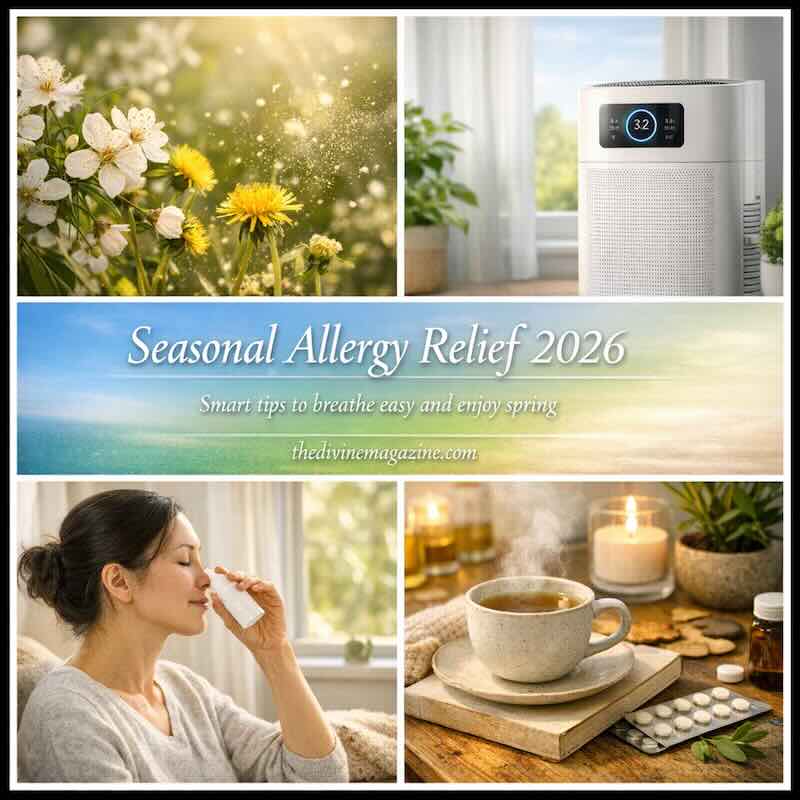
Ah, the joys of spring! The sun is shining, the birds are chirping, and the flowers are blooming. But in 2026, as changing climate patterns extend pollination cycles, the arrival of spring also means a more intense onset of seasonal allergies. Itchy eyes, runny noses, and constant sneezing become our unwelcome companions, making us feel like we’re in a never-ending battle with Mother Nature herself.
But fear not, dear readers, for I am here to offer you some updated tips on how to better handle seasonal allergies and reclaim your springtime joy. So grab a tissue and let’s dive into the science of relief!
Air Quality Matters
When it comes to managing seasonal allergies, there is one key factor that often gets overlooked—air quality. In 2026, with higher concentrations of atmospheric CO₂ leading to “super-pollen,” the quality of the air you breathe is more critical than ever.
During certain times of the day, typically early morning and late afternoon, pollen counts are at their peak. For allergy sufferers, this means these periods are less than ideal for outdoor activities. Investing in a high-efficiency air purifier—specifically one with a HEPA H13 or H14 filter—can make a world of difference. These medical-grade filters are designed to capture 99.97% of particles as small as 0.3 microns, including pollen, mold spores, and pet dander.
In addition to using an air purifier, it is vital to monitor local data. Apps provided by the National Allergy Bureau offer real-time tracking so you can plan your day around the lowest pollen windows. Remember: when it comes to allergies, air quality is your first line of defense.
Know Your Triggers
The first step in effectively managing your symptoms is identifying the specific “culprit.” Are you reacting to tree pollen (common in early spring), grass pollen (late spring), or mold? In 2026, at-home allergy testing kits have become highly accurate, but a visit to a board-certified allergist remains the gold standard for creating a personalized treatment plan.

Keep It Clean
One of the best ways to combat seasonal allergies is to maintain a “pollen-free zone” at home. Dust regularly with damp cloths to prevent particles from becoming airborne, and wash your bedding weekly in hot water (at least 130°F / 54°C) to kill dust mites and remove pollen. For more tips on maintaining a sterile sanctuary, see our guide on creating a healthy home.
Stay Hydrated
Drinking plenty of water is a simple yet effective biohack. Proper hydration helps thin the mucus in your nasal passages, making it easier to expel allergens. If you’re feeling particularly congested, consider using a saline nasal rinse or a Neti pot with distilled water to physically wash away the pollen trapped in your nose.
Seek Relief
Modern over-the-counter (OTC) options have improved significantly. Non-drowsy antihistamines like fexofenadine or cetirizine are highly effective. Furthermore, many doctors now recommend starting nasal corticosteroid sprays two weeks before the season officially begins to “prime” your system and prevent the inflammatory response before it starts.
Consider Immunotherapy
For severe cases, allergy shots or sublingual (under-the-tongue) tablets remain the only way to potentially “cure” allergies. This process gradually desensitizes your immune system. You can learn more about the latest developments in immunotherapy via the Asthma and Allergy Foundation of America (AAFA).
Conclusion
Seasonal allergies may be a nuisance, but they don’t have to ruin your life. By embracing 2026 technology—like HEPA filtration and real-time pollen tracking—and maintaining a clean indoor environment, you can reclaim your springtime joy. Take a proactive approach to your health, stay hydrated, and don’t hesitate to seek professional medical advice if symptoms persist. Happy allergy-free spring, everyone!
Frequently Asked Questions
Q: Why are my allergies worse this year than last?
A: Factors such as shorter winters and higher CO2 levels are causing plants to produce more potent pollen for longer periods. If your usual routine isn’t working, it may be time to upgrade your medication or air filtration.
Q: Should I keep my windows open for “fresh air” in the spring?
A: If you are an allergy sufferer, it is best to keep windows closed during peak pollen months. Use your AC system with a high-MERV rated filter to circulate and clean the air instead.
Q: Does local honey actually help with allergies?
A: While it is a popular folk remedy, scientific evidence remains inconclusive. Most seasonal allergies are caused by wind-pollinated plants (like ragweed or oaks), whereas bees primarily collect pollen from flowers. It’s delicious, but don’t rely on it as your primary treatment!
Q: When is the best time to exercise outdoors?
A: Pollen counts are usually highest in the morning. For the best experience, try to schedule your outdoor runs or walks in the evening or immediately after a heavy rain, which “washes” the pollen out of the air.