Transform your living space into a sanctuary of balance, creativity, and calm with modern design principles and mindful décor.
A harmonious home is more than just a beautiful space—it’s a sanctuary that nurtures your wellbeing and brings balance to your daily life. By blending thoughtful design, calming décor, and mindful routines, you can create an environment that supports relaxation, creativity, and happiness. In this 2026 guide, we share practical tips and inspiring ideas to help you transform your home into a peaceful retreat. For more inspiration, explore Architectural Digest’s 2026 home design trends and Dezeen’s interior design features.
Defining Home Aesthetics: The Intersection of Function and Beauty
In 2026, home aesthetics continue to evolve toward functional beauty. Furniture selection shouldn’t just be about visual appeal—it must also accommodate your daily activities. By understanding this intersection, you can choose pieces that enhance both the beauty and usability of your home. See House Beautiful’s decorating ideas for inspiration.
The Importance of Curating a Personal Atmosphere
Curating your home’s atmosphere with personal touches is essential to crafting a space that feels authentically yours. Meaningful décor and heirlooms create a narrative that expresses who you are. By infusing your character into your environment, your home becomes a reflection of your experiences and passions.
Creating this emotional connection goes beyond decoration—it’s about designing a space that evokes comfort and joy. Incorporate travel mementos, handmade art, or custom furniture to enrich your daily life. This thoughtful curation enhances your home’s unique style, making it a genuinely welcoming retreat.
How Home Aesthetics Affect Mood and Mindset
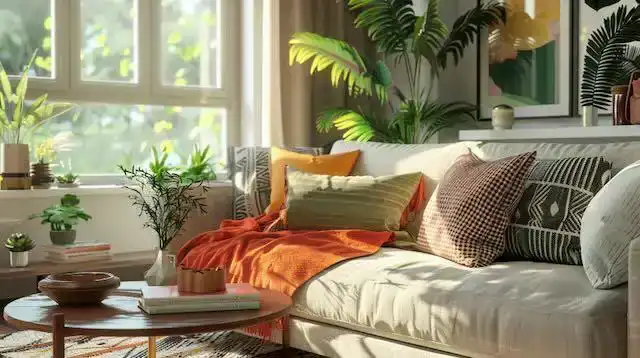
Your home’s aesthetic directly influences your mood and mindset. Well-chosen furniture and thoughtful décor can stimulate calm and relaxation, while clutter may lead to stress. Prioritizing mindful design enhances your overall wellbeing.
Even small adjustments—like soothing colors or layered textures—can transform your environment and elevate your mood. Investing time in your home’s aesthetics empowers you to create an ambiance that promotes positivity and inspires happiness.
Key Takeaways
- Identify Your Style: Define your home’s aesthetic—modern, rustic, or eclectic—to guide your design choices.
- Prioritize Functionality: Choose furniture that serves your lifestyle while enhancing visual harmony.
- Add Personal Touches: Include meaningful items like heirlooms or souvenirs to make your space uniquely yours.
Identifying Your Home’s Style
There’s a deep connection between your home’s aesthetic and your personal style. To create a harmonious environment, pinpoint your primary design direction—modern, traditional, rustic, or eclectic. Understanding these styles helps you make informed choices that reflect your taste and create a cohesive ambiance.
Popular Architectural Styles and Their Influences
Architectural styles like Colonial, Mediterranean, and Mid-Century Modern influence furniture and décor choices. Each brings unique characteristics that shape how pieces complement your home’s structure. Recognizing these elements helps you select furniture that harmonizes perfectly with your architecture.
Recognizing Your Personal Style Preferences
Your style preferences form the backbone of your home’s aesthetic. Reflect on what makes you feel comfortable—clean modern lines or rustic warmth. Identifying these preferences guides your furniture selection and helps create an inviting atmosphere tailored to your lifestyle.
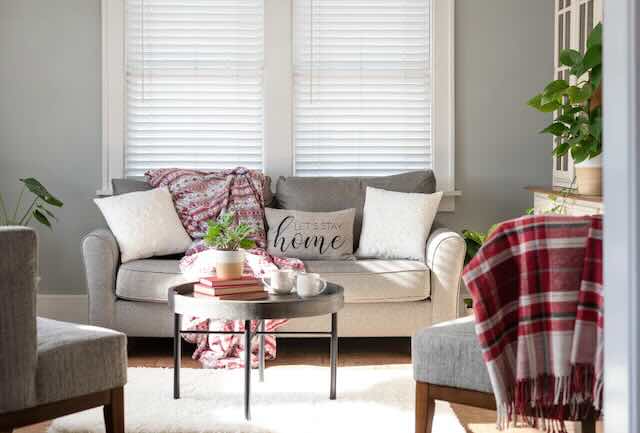
Common Home Styles and Their Furniture Characteristics
Understanding common home styles helps you choose furniture that enhances your aesthetic. Each style has distinct materials, colors, and shapes that define its character. Familiarizing yourself with these attributes ensures a cohesive and inviting atmosphere.
Traditional Style: Elegance and Warmth
Traditional interiors feature rich wood tones, timeless silhouettes, and luxurious fabrics. Ornate details and craftsmanship create a cozy yet elegant environment that invites relaxation and sophistication.
Modern Style: Minimalism and Clean Lines
Modern design emphasizes simplicity and functionality. Clean lines, neutral palettes, and materials like glass and metal define this aesthetic. In 2026, modern spaces embrace open layouts and sustainable materials for a sleek yet mindful look.
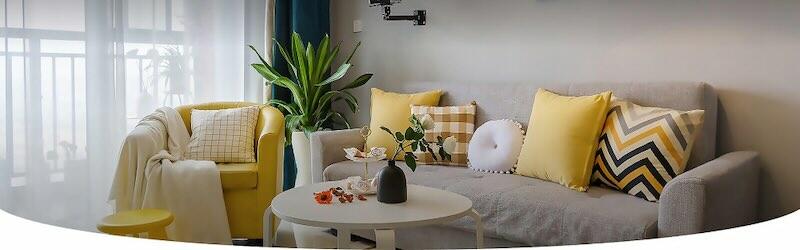
Assessing Functionality and Comfort
Furniture should enhance both aesthetics and daily functionality. Evaluate how each room supports your lifestyle—whether for entertaining, working, or relaxing. Choose pieces that balance comfort, utility, and design flow.
Prioritizing Quality and Durability
In 2026, quality craftsmanship and sustainable materials define long-lasting furniture. Opt for solid wood, metal, or eco-friendly composites that withstand daily use while maintaining elegance. See Dezeen’s sustainable design highlights for ideas.
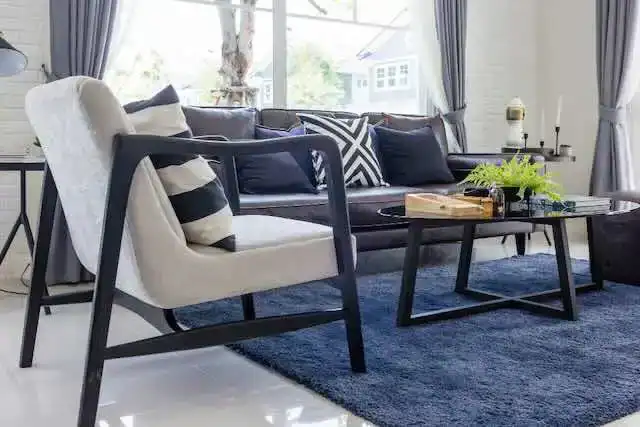
Harmonizing Colors and Textures
Colors and textures shape the emotional tone of your home. By thoughtfully combining hues and materials, you can create an inviting atmosphere that reflects your personal style. Aim for balance between light and dark tones, and ensure that varying textures complement one another to enhance visual harmony.
- Defining Home Aesthetics: The Intersection of Function and Beauty
- The Importance of Curating a Personal Atmosphere
- How Home Aesthetics Affect Mood and Mindset
- Key Takeaways
- Identifying Your Home’s Style
- Common Home Styles and Their Furniture Characteristics
- Assessing Functionality and Comfort
- Prioritizing Quality and Durability
- Harmonizing Colors and Textures
- The Psychology of Color in Home Furnishing
- Creating a Cohesive Color Palette
- Complementing Textures for Visual Interest
- Paying Attention to Scale and Proportion
- The Importance of Scale in Space Design
- Balancing Furniture Sizes for Optimal Flow
- Visual Tricks to Enhance Scale Perception
- Blending Styles for a Personal Touch
- Strategies for Merging Different Aesthetic Styles
- Finding Common Ground Between Styles
- Curating Unique Displays with Personal Significance
- Investing in Multifunctional Pieces
- The Rise of Versatile Furniture in Modern Homes
- Top Multifunctional Furniture Solutions
- Maximizing Space Through Smart Design
- Conclusion
- FAQ: Creating a Harmonious Home in 2026
The Psychology of Color in Home Furnishing
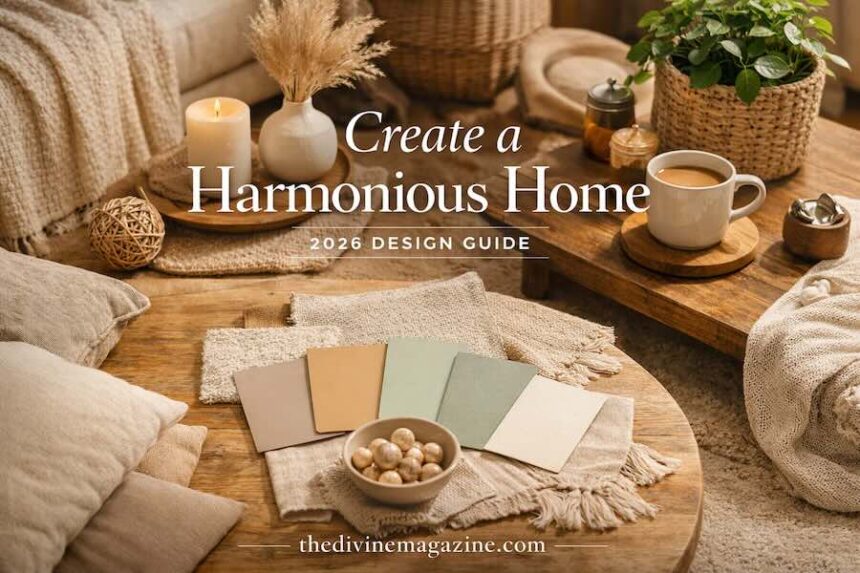
Color has the power to influence your emotions and set the mood of your home. Warm tones like terracotta, mustard, and soft gold energize a space, while cooler shades such as sage, mist blue, and lavender promote calmness. In 2026, earthy neutrals paired with muted pastels dominate interior trends, offering a soothing yet modern palette.
Creating a Cohesive Color Palette
Start with a foundational palette of three to five colors that reflect your home’s style. Build upon these with complementary shades to create continuity across rooms. A neutral base—like warm beige or soft gray—allows bolder accents to shine without overwhelming the space.
Complementing Textures for Visual Interest
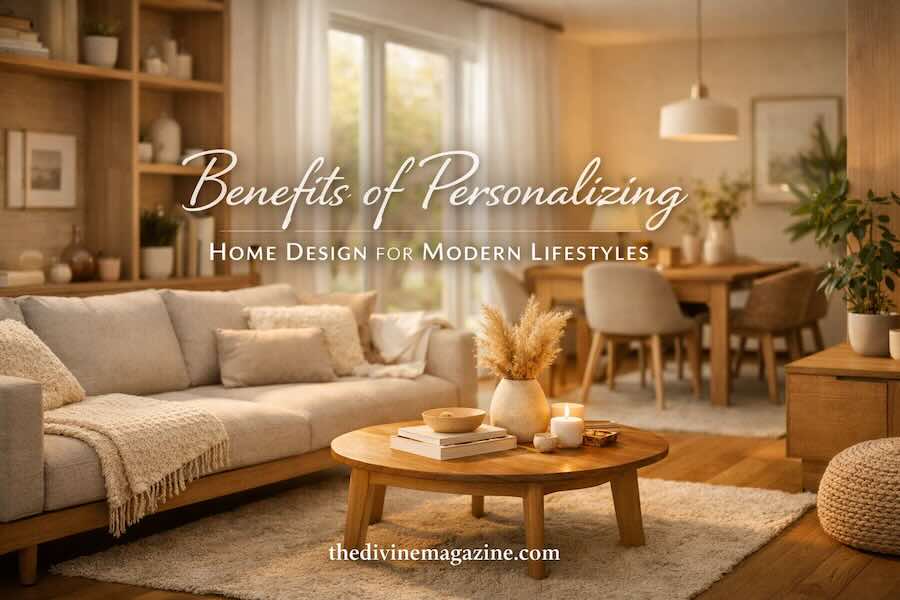
Textures add depth and sensory richness to your home. Layer materials such as linen, velvet, rattan, brushed metal, and natural wood to create a dynamic yet harmonious environment. Pair sleek surfaces with soft textiles to achieve a balanced, inviting aesthetic.

Paying Attention to Scale and Proportion
Scale and proportion are essential for creating a harmonious living environment. Oversized furniture can overwhelm small spaces, while tiny pieces may feel lost in larger rooms. Aim for balance by selecting items that complement the room’s dimensions and layout.
The Importance of Scale in Space Design
Proper scale ensures that each piece fits comfortably within the room, promoting cohesion and visual flow. Consider ceiling height, room width, and natural light when choosing furniture to maintain balance and proportion.
Balancing Furniture Sizes for Optimal Flow
Mix larger anchor pieces—like sofas or dining tables—with smaller accents such as side tables or stools. This creates visual interest while maintaining accessibility and movement throughout the space.
Visual Tricks to Enhance Scale Perception
Use mirrors, vertical artwork, and strategic lighting to enhance the perception of space. Light-colored walls and reflective surfaces can make rooms feel larger, while tall plants or floor lamps draw the eye upward, creating a sense of height.
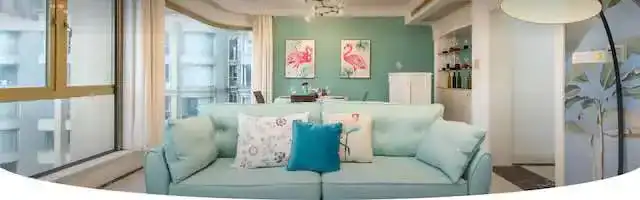
Blending Styles for a Personal Touch
Once you’ve established your primary design style, blending complementary aesthetics can elevate your home’s character. Mixing styles allows you to create a unique space that reflects your personality while maintaining visual harmony.
Strategies for Merging Different Aesthetic Styles
Select a dominant style as your foundation, then introduce accents from other influences. For example, pair modern minimalism with rustic textures or combine Scandinavian simplicity with eclectic décor for a curated, layered look.
Finding Common Ground Between Styles
Identify shared elements—such as color palettes, materials, or shapes—that bridge different styles. This creates cohesion while allowing your individuality to shine through.
Curating Unique Displays with Personal Significance
Showcase meaningful items like travel souvenirs, heirlooms, or handmade art to enrich your home’s narrative. These curated displays add emotional depth and authenticity, transforming your space into a reflection of your life and values.
Investing in Multifunctional Pieces
Multifunctional furniture is essential for modern living, especially in compact spaces. These versatile pieces maximize utility without compromising style. Explore Apartment Therapy’s multifunctional furniture ideas for inspiration.
The Rise of Versatile Furniture in Modern Homes
As urban living spaces evolve, homeowners increasingly seek furniture that adapts to multiple needs—sofa beds, extendable tables, modular shelving, and ottomans with hidden storage are among the most popular choices in 2026.
Top Multifunctional Furniture Solutions
Consider modular sofas, adjustable desks, nesting tables, and convertible dining sets. These pieces enhance flexibility and efficiency while maintaining a stylish aesthetic.
Maximizing Space Through Smart Design
Choose furniture with built-in storage or adaptable features to make the most of your space. Smart design principles—like vertical shelving, foldable furniture, and hidden compartments—help maintain organization and visual clarity.
Conclusion
Creating a harmonious home in 2026 is about blending aesthetics, functionality, and personal meaning. By understanding your style, prioritizing comfort, and curating thoughtful décor, you can design a space that nurtures wellbeing and reflects your identity. Whether you embrace modern minimalism, cozy traditionalism, or eclectic charm, your home becomes a sanctuary when it aligns with your lifestyle and values.
Remember: harmony isn’t about perfection—it’s about intention. Every color, texture, and piece of furniture contributes to the story your home tells. Make it a story that inspires peace, joy, and authenticity.
FAQ: Creating a Harmonious Home in 2026
Q: What colors are trending for harmonious homes in 2026?
A: Earthy neutrals, muted pastels, and soft greens dominate 2026 trends. These shades promote calmness and pair beautifully with natural textures like wood and linen.
Q: How do I make a small space feel more harmonious?
A: Use multifunctional furniture, mirrors, vertical décor, and light colors to enhance openness. Keep pathways clear and avoid overcrowding the room with large pieces.
Q: What’s the easiest way to refresh my home’s aesthetic?
A: Start with textiles—new cushions, throws, rugs, and curtains can instantly transform a room. Add plants, update lighting, or rearrange furniture for a fresh look.
Q: How can I blend multiple design styles without creating chaos?
A: Choose one dominant style and incorporate accents from others. Use shared colors, materials, or shapes to create cohesion while maintaining personality.
Q: What role does lighting play in creating harmony?
A: Lighting sets the mood and enhances textures and colors. Use layered lighting—ambient, task, and accent—to create depth and warmth throughout your home.
Your home is your sanctuary—design it with intention, live in it with joy.
107 views