







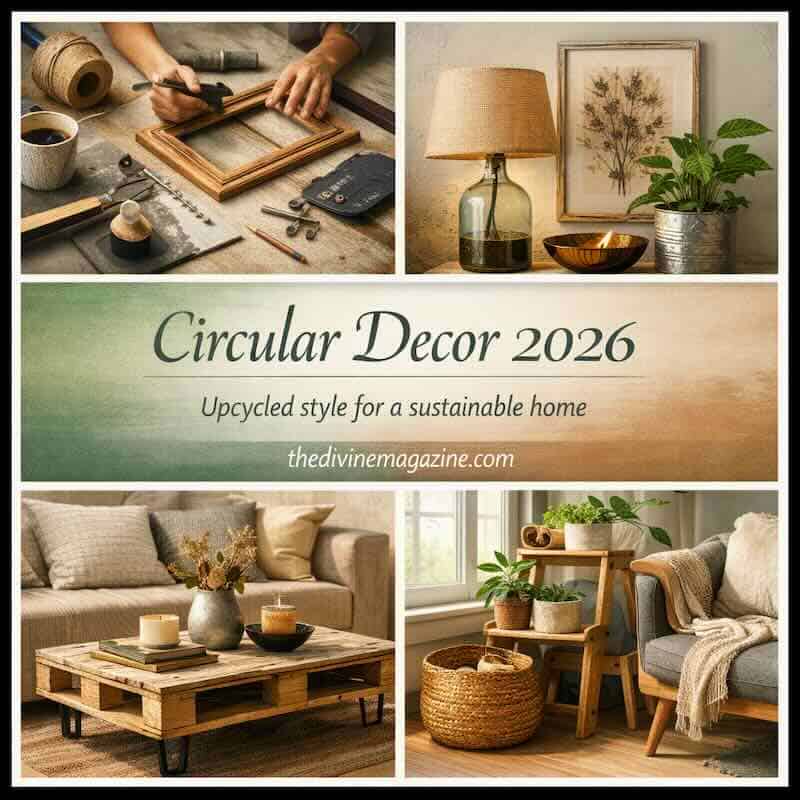
Upcycling has become increasingly popular over the last decade. From clothing to decoration, the trend of upcycling has been pushed by the movement towards sustainability and eco-consciousness. Instead of throwing away old or unused items in your home, you can transform them into functional and stylish pieces. In 2026, we call this Circular Decor—the art of keeping materials in use while evolving your home’s aesthetic.
Homeware can be expensive. With rising fuel costs and the shifting global economy, many do not have the spare money to completely refurnish their living spaces. Upcycling offers a creative escape from the digital age; it provides a tactile way to disconnect from screens and reconnect with the physical world, all while saving money and reducing landfill waste.
If you want to get creative, save money, and reduce your environmental footprint, here are 3 homeware upcycling projects that require no expensive tools or professional skills yet offer a massive house-to-home upgrade.
1. Refresh and Repaint Finishes
One of the easiest ways to transform pieces around your home is to give them a fresh coat of paint. Tables and sideboards can be painted in neutral tones such as browns or whites for a clean, minimalist look. Alternatively, those looking to add a pop of personality can opt for the 2026 “maximalist” trend—using bold pinks, deep teals, or even soft pastel tones to make a statement.
When experimenting with the final look, play around with the finish. Choose a matte finish for a contemporary, toned-down look or a high-gloss finish for a luxury, expensive feel. Techniques such as distressing wood can add a charming vintage character to a piece that may have previously felt bland or mismatched.
2. Add Decorative and Tactile Details
Small changes often yield the biggest impact. Swapping out standard handles on dressers and wardrobes can completely change a piece’s “vibe”—taking it from generic modern to refined vintage in minutes. In 2026, we are seeing a major shift toward introducing natural materials into interior schemes. Consider wrapping handles with jute rope or adding leather pulls.
You can also juxtapose textures by adding metallic accents to green, plant-filled rooms. For example, using metallic trays to organize small items like titanium jewelry or keys creates a sophisticated “mixed-media” look that feels intentional and curated.
3. Repurpose for a New Function
The ultimate upcycle involves changing an item’s function beyond its original purpose. This “re-functioning” is a hallmark of creative home design. For example, you can take old ladders that are no longer structurally safe for climbing and repurpose them into vertical shelving units for a “shabby chic” towel rack or plant display.
Even smaller items offer potential: glass sauce jars can be transformed into candle holders, spice planters, or elegant flower vases. To elevate the look, wrap the jars in velvet ribbons or use glass-etching cream to create custom patterns, turning everyday waste into bespoke decor.
Conclusion
Upcycling is more than just a budget-friendly DIY project; it’s a mindset that values longevity over disposability. By repainting, adding decorative hardware, or repurposing old items like ladders and jars, you can create a home that is uniquely yours. In 2026, a truly stylish home isn’t one filled with the newest furniture but one filled with stories, creativity, and a commitment to a greener planet.
Frequently Asked Questions
Q: What is the best type of paint for furniture upcycling?
A: For beginners, chalk paint is highly recommended as it requires very little prep work or priming. If you want a more durable, modern finish, an eggshell or satin mineral paint is an excellent choice for 2026 projects.
Q: How do I make upcycled items look professional rather than “homemade”?
A: The secret is in the prep and the hardware. Sanding properly before painting and investing in high-quality (even if second-hand) metal handles or knobs will instantly elevate the finished product.
Q: Is upcycling really better for the environment?
A: Yes! It follows the circular economy model by reducing the demand for new manufacturing and keeping bulky items out of landfills. It also reduces the carbon footprint associated with shipping new furniture.
Q: Can I upcycle plastic items?
A: Absolutely. Using specialized “all-surface” primers allows you to paint plastic containers or furniture, giving them a ceramic or metallic look that completely hides their original material.