




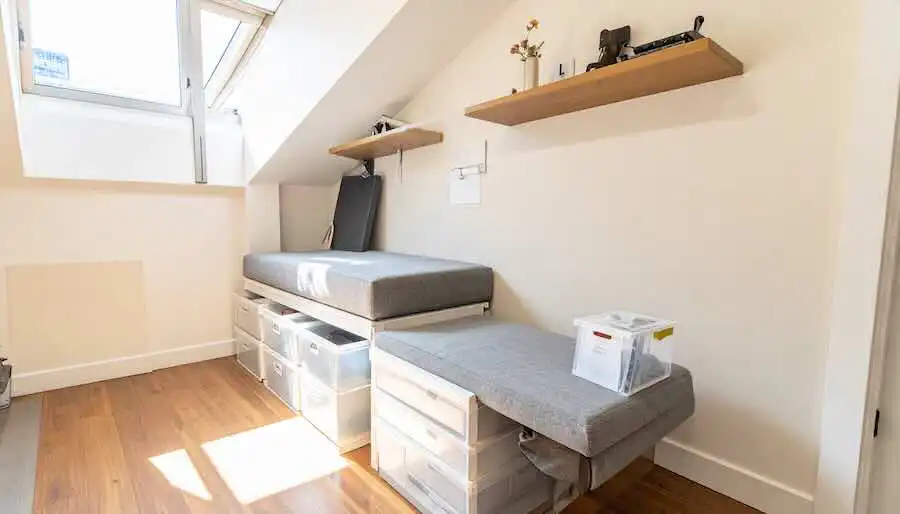
Living in a small space doesn’t mean living in chaos. With the right systems, even the tiniest studio, shared flat, or compact home can feel calm, functional, and genuinely more spacious than its square footage suggests. The key is making every corner work harder — and being intentional about what stays, where it lives, and how it actually gets used.
Here’s a walk through smart, realistic small-space organization habits that hold up in everyday life — no major renovation or custom cabinetry required.
Start With a Ruthless, Kind Declutter
Organizing without editing first rarely sticks. In a small space, clutter compounds visually and emotionally faster than it does anywhere else. Go room by room, sorting into “keep,” “donate,” “sell,” and “recycle” piles — and be genuinely honest about what actually gets used and loved, not what might theoretically be useful someday.
For a framework, the “spark joy” method popularized by Marie Kondo works well here — keep only what serves a real purpose or brings genuine joy. Her full approach is laid out on the KonMari official site.
Think Vertical: Use Your Wall Space
When floor space runs out, walls become the real estate that’s left. Floating shelves, wall-mounted hooks, pegboards, and rail systems can hold everything from cookware and plants to books and accessories.
In kitchens, a wall-mounted rail for utensils and pans earns its keep fast. In bedrooms, vertical shelving above a dresser or wrapped around a door frame does the same. For more direction, IKEA’s small-space living ideas are a genuinely useful starting point.
Choose Furniture With Built-In Storage
Every piece of furniture in a small home should earn its place twice over. beds with drawers underneath, ottomans that open for storage, coffee tables with shelves, benches with hidden compartments — all of it pulls double duty.
Multi-functional furniture cuts visual clutter while keeping everyday items close but out of sight. Apartment Therapy’s roundup of multitasking furniture pieces has good, concrete examples worth browsing for ideas.
Use Clear Containers and Labels
In small spaces, “out of sight” turns into “forgotten forever” faster than expected. clear bins, jars, and boxes let you see what you actually own while keeping it all contained and tidy. Simple labels mean you — and anyone sharing the space — always know exactly where something belongs.
This approach works especially well in pantries, under-sink areas, bathroom cabinets, and craft or office zones. The Container Store’s small-space storage section has strong, stackable, genuinely clear examples to reference.
Maximize Doors, Corners, and “Dead” Space
Look for the overlooked: the back of doors, the sides of wardrobes, corners, the space above cabinets. Over-the-door organizers can hold shoes, cleaning supplies, beauty products, or snacks. Corner shelves turn an awkward gap into a real display or storage zone.
Even a narrow gap between a fridge and a wall can fit a slim rolling cart for spices or pantry items. Apartment Therapy’s best small-space storage ideas covers plenty of these overlooked-corner solutions in more detail.
Create Zones, Even in One Room
In a studio or open-plan space, zoning does most of the heavy lifting. Rugs, shelving units, or screens can visually separate sleeping, working, relaxing, and dining areas. This isn’t just about how it looks — the brain genuinely associates each zone with a specific activity, which cuts down on mental clutter too, not just physical clutter.
A low bookshelf works well as a room divider; a curtain does the same job separating a bed from a workspace. For more layout inspiration, Apartment Therapy’s small spaces collection is worth a browse.
Adopt a “One In, One Out” Rule
Organization isn’t a one-time project — it’s a habit. To keep a small space from slowly filling back up, a simple rule helps: whenever something new comes in, something else goes out. This works especially well for clothes, books, decor, and kitchen gadgets.
This mindset keeps a home curated, intentional, and aligned with how life actually runs right now — not how it used to run, or how it’s supposed to look according to someone else’s standard.
Conclusion
Small spaces can be genuinely stylish, functional, and calming when every item has a purpose and a place. Declutter with real intention, think vertically, choose furniture that works twice as hard, and use every inch on purpose — and even the tiniest home can feel expansive and unmistakably yours.
Organization was never about perfection. It’s about building a home that supports the actual life being lived in it. Start small, stay consistent, and let the space evolve as life does.
FAQ: Small-Space Organization
1. Where should I start if my small space feels overwhelming?
Begin with one area — a single drawer, shelf, or corner. Finish it completely before moving to the next. Small wins build real momentum and make the whole process feel far less intimidating than tackling the entire home at once.
2. How do I keep my small space organized long-term?
Build simple systems that are actually sustainable: labeled bins, dedicated drop zones, and a “one in, one out” rule. A quick 10-minute reset at the end of each day, putting things back where they belong, prevents the slow creep of clutter far better than an occasional deep clean.
3. What if I rent and can’t drill into walls?
Tension rods, over-the-door organizers, adhesive hooks, and freestanding shelves all work without touching a wall. RentCafe’s guide to organizing a small apartment has genuinely useful, renter-friendly ideas worth working through.
4. How can I make a small bedroom feel less cluttered?
Keep surfaces as clear as possible. Under-bed storage, wall-mounted lights instead of bulky lamps, and a genuinely small number of decor pieces that are actually loved all help. Light colors and mirrors do real work visually opening up the space too.
5. Are professional organizers worth it for small spaces?
If the process feels genuinely stuck, a professional organizer can design systems tailored to the specific lifestyle and layout involved. Many now offer virtual consultations, which makes getting expert input possible without a full in-home visit.