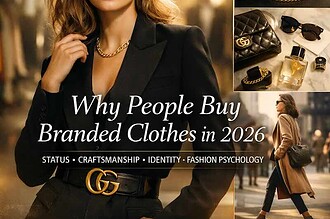





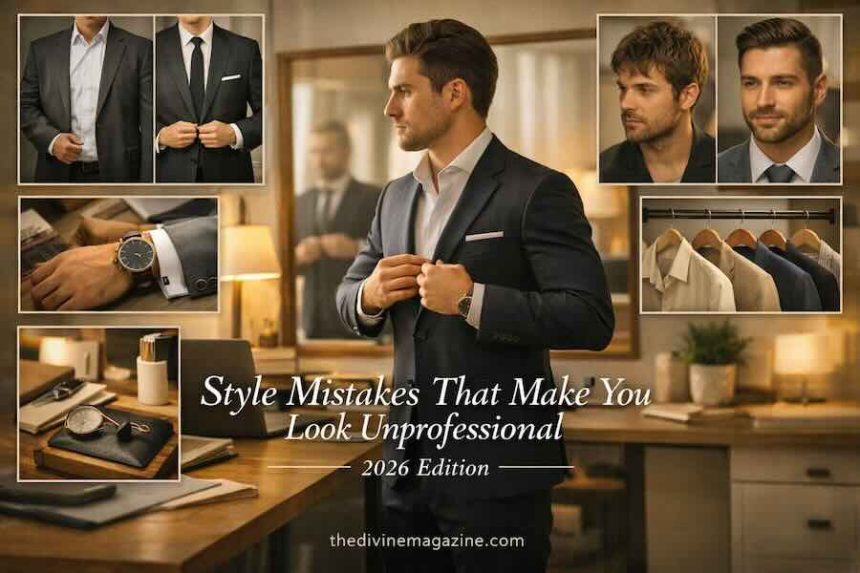
Appearing professional in 2026 is just as much about how you present yourself as how you perform. You may lead confidently, communicate clearly, and deliver results — but if your appearance signals the opposite, people may not take you seriously. While we’d all prefer a world where looks don’t matter, the modern workplace still places value on visual professionalism. Below are updated style mistakes that make you look unprofessional in 2026 — and how to avoid them.
Not Following Dress Codes
Your company’s dress code exists for a reason, and in 2026, many workplaces have shifted to hybrid or flexible guidelines. Whether your office leans business casual or maintains a traditional corporate standard, ignoring the dress code can make you stand out for the wrong reasons. Wearing something too casual or off‑brand can signal that you’re not aligned with company culture. If leadership expects a polished look, follow it — consistency communicates respect and professionalism.
Dress codes continue to evolve, but the core principle remains the same: match the expectations of your workplace and industry.
Not Grooming Yourself
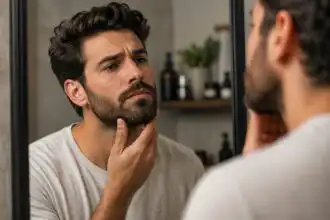
Professionalism isn’t only about clothing — grooming plays a major role in how others perceive you. Unkempt hair, uneven facial hair, or a generally disheveled appearance can undermine your credibility. In 2026’s hybrid work culture, where video calls are still common, grooming matters both in person and on camera.
Keep your hair neat, styled, or tied back if it’s long. Facial hair should be trimmed and intentional. Even minimal grooming effort can elevate your entire look. For general grooming standards, focus on clean, tidy, and intentional presentation.
Wearing Poorly Fitting Clothing
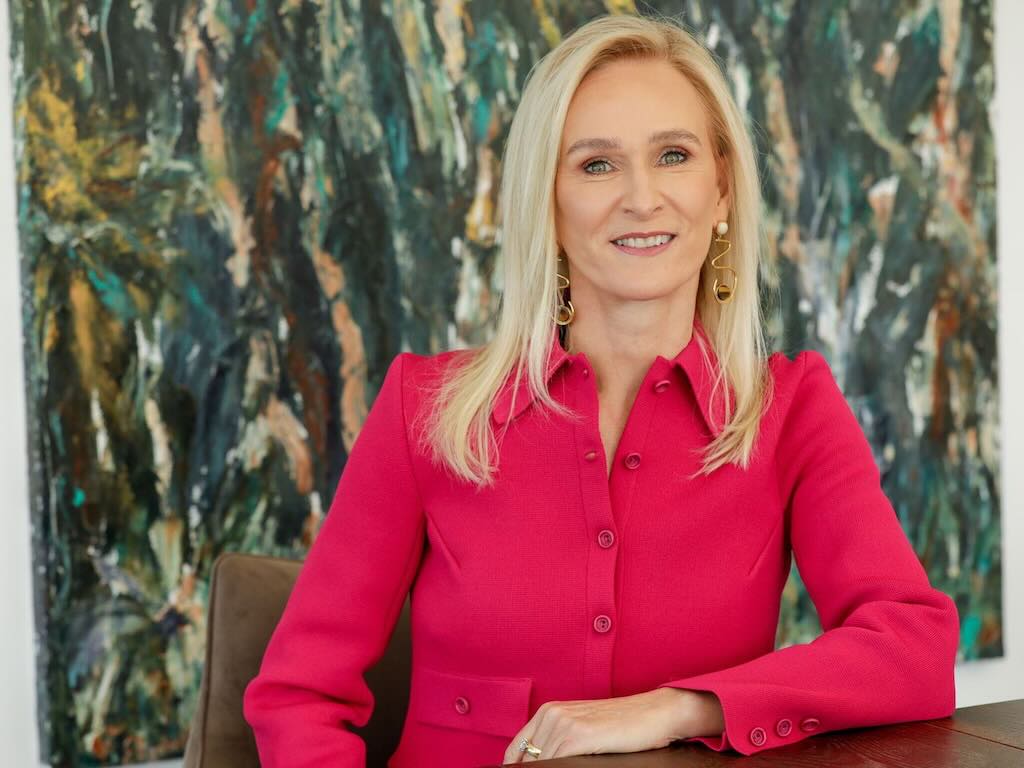
Fit is everything. Even expensive clothing looks unprofessional if it doesn’t fit properly. Oversized jackets, too‑long sleeves, or baggy trousers can make you appear younger or less polished. On the other hand, clothing that’s too tight can look sloppy or uncomfortable.
If you’re entering or advancing in a professional field, invest in at least one tailored outfit. A well‑fitted blazer or suit instantly elevates your presence. When in doubt, choose classic cuts and adjust them through a tailor for a clean, structured look.
Wearing Too Many Accessories
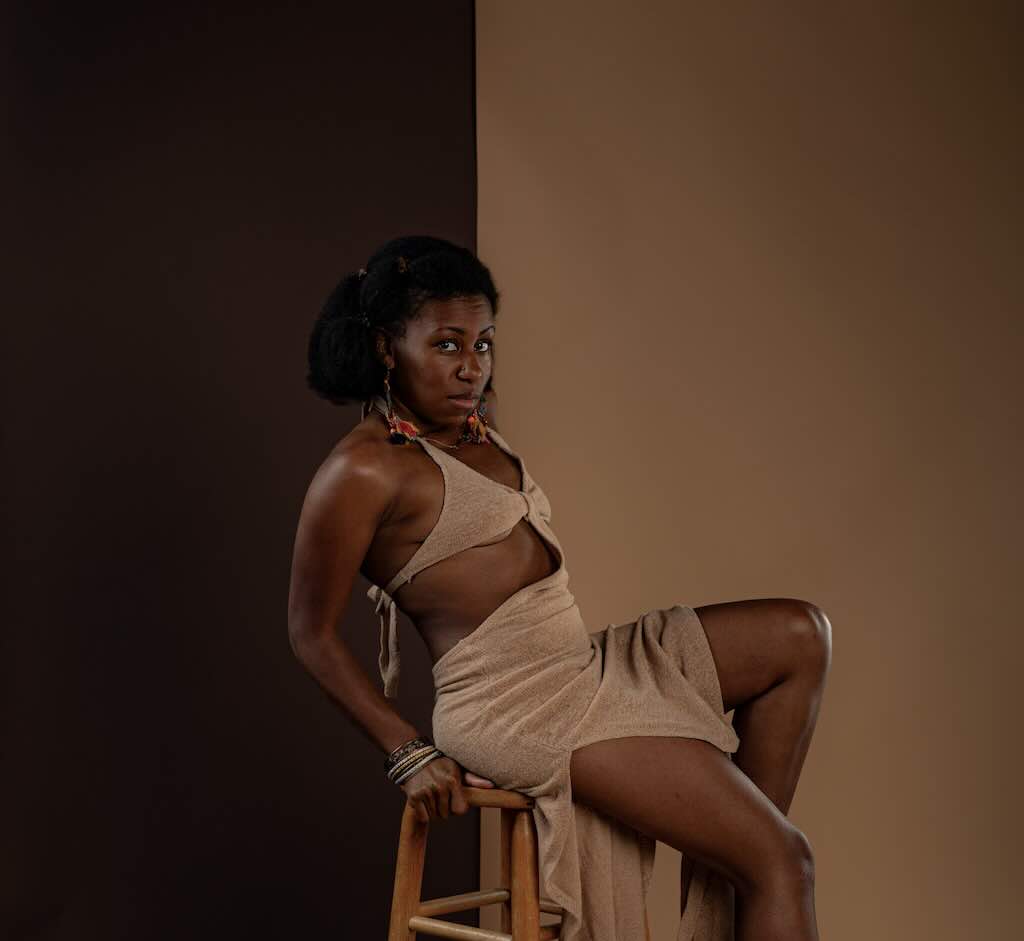
Accessories can enhance your look — but overdoing them can have the opposite effect. Large statement earrings, oversized rings, loud necklaces, or stacks of bracelets can distract from your professionalism. In 2026, the trend leans toward minimalism and intentional styling.
Choose subtle, refined pieces that complement your outfit rather than overpower it. A simple watch, small earrings, or a delicate necklace can add polish without drawing unnecessary attention.
Conclusion
Professional style in 2026 is all about intention. You don’t need designer clothing or a massive wardrobe — you simply need to present yourself in a way that aligns with your workplace culture and communicates confidence. By following dress codes, maintaining grooming habits, choosing well‑fitting clothing, and keeping accessories minimal, you’ll project a polished, capable, and credible image wherever you go.
FAQ: Professional Style in 2026
1. Do dress codes still matter in hybrid workplaces?
Yes. Even flexible workplaces expect employees to look polished during meetings, presentations, and client interactions.
2. How important is grooming for remote work?
Very. Clean, neat grooming improves your presence on video calls and helps you appear engaged and prepared.
3. What’s the easiest way to improve my professional appearance?
Start with fit. Tailoring even one outfit can dramatically elevate your look.
4. Are accessories acceptable in professional settings?
Yes — as long as they’re subtle. Minimalist pieces are the safest choice for modern workplaces.
5. How often should I update my work wardrobe?
Once or twice a year is enough. Focus on timeless, well‑fitted essentials rather than trend‑driven pieces.