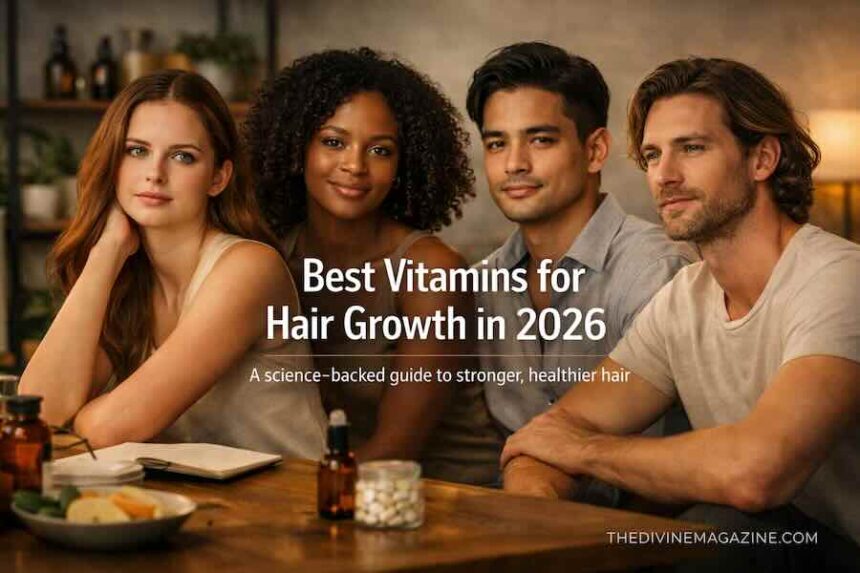
Do you wish you had long, healthy hair that feels as strong as it looks? In 2026, hair wellness has evolved beyond vanity — it’s a reflection of nutrition, stress balance, and sustainable self‑care.
Along with bone marrow, your hair remains one of the fastest‑growing tissues in the body. When your scalp is healthy, about 90% of your strands are actively growing while 10% rest. But if your diet lacks essential vitamins, growth slows and breakage increases. Modern research shows that targeted micronutrients can help restore vitality and even reverse thinning caused by stress or deficiency.
Whether you’re aiming for thicker strands, longer locks, or simply stronger hair, this guide explores the most effective vitamins and nutrients for regrowth — supported by science and sustainability.
Vitamin A: The Growth Catalyst
Every cell in your body needs vitamin A to regenerate — including hair follicles. A deficiency can slow cell turnover and reduce sebum production, leaving your scalp dry and fragile. Vitamin A also supports eye health and slows visible aging.
Plant‑based carotenoids like beta‑carotene found in sweet potatoes, spinach, pumpkin, and kale convert naturally into vitamin A. Animal sources include dairy, liver, and fish. Balanced intake helps maintain scalp moisture and follicle strength.
Don’t Overdo It
Vitamin A is fat‑soluble, meaning excess amounts accumulate easily. Too much can actually trigger hair loss. Always consult your doctor for a blood test before supplementing. For dosage guidance, see NIH’s vitamin A recommendations.
B‑Vitamins: The Energy Builders
Biotin (B‑7) remains the star nutrient for hair growth, but the entire B‑complex supports follicle metabolism and oxygen delivery. Foods rich in biotin include eggs, nuts, sweet potatoes, and avocados. Other B‑vitamins — folate, niacin, riboflavin, and thiamine — enhance energy and cell renewal.
- Folic acid (B‑9)
- Cobalamin (B‑12)
- Niacin (B‑3)
- Thiamine (B‑1)
- Riboflavin (B‑2)
- Pyridoxine (B‑6)
- Pantothenic acid (B‑5)
Deficiency signs include numbness, mouth sores, fatigue, and mood changes. For deeper insight, explore Medical News Today’s guide to B‑vitamin deficiency.
Vitamin C: The Collagen Connector
Vitamin C enhances iron absorption and protects hair from oxidative stress. It’s also essential for collagen synthesis — the protein that gives hair its structure. Without enough vitamin C, strands become brittle and dull.
Sources include citrus fruits, strawberries, kale, and broccoli. Avoid over‑boiling vegetables to preserve nutrients. For a deeper look at collagen’s role in hair health, see recent dermatology research.
Vitamin D: The Follicle Activator
Known as the “sunshine vitamin,” vitamin D stimulates dormant follicles and supports immune balance. Deficiency is linked to alopecia and thinning. Just 10–15 minutes of sunlight daily can help, but fortified cereals, oat milk, and eggs also provide reliable sources.
For updated data on vitamin D and hair loss, visit Frontiers in Nutrition.
Iron: The Circulation Booster
Iron fuels red blood cell production, ensuring oxygen reaches your scalp. Deficiency can cause anemia and hair shedding. About 10 million Americans live with iron deficiency, many unaware of its impact on hair health.
Boost iron intake with beans, lentils, lean meats, and fortified cereals. Pair with vitamin C‑rich foods to enhance absorption. For vegetarian options, see Harvard’s Nutrition Source guide.
Protein: The Structural Foundation
Hair is composed of keratin — a protein. Without adequate protein, strands remain in the resting phase and become brittle. Animal sources like beef, chicken, and fish are excellent, but plant‑based eaters can rely on cauliflower, spinach, and lentils.
For a modern perspective on plant proteins and hair strength, explore Harvard Health’s plant‑protein insights.
Multipurpose Hair Supplements
In 2026, supplement innovation has gone clean and data‑driven. Look for cruelty‑free, non‑gelatin formulas combining vitamins A, C, E, and B‑complex with minerals like zinc and selenium. Always verify ingredient transparency and sustainability certifications. For trusted reviews, see ConsumerLab’s supplement testing reports.
⭐ Conclusion
Healthy hair in 2026 is about synergy — nutrition, lifestyle, and patience. Vitamins A, B, C, D, iron, and protein form the foundation, but consistency and balance make the difference. Combine nutrient‑rich foods with mindful habits like stress management and sleep hygiene. Over time, your hair will reflect the vitality of your whole body.
⭐ FAQ
How long does it take to see results?
Most people notice stronger, shinier hair within 8–12 weeks of consistent nutrition and supplementation.
Can I take all these vitamins together?
Yes, but you should always consult your doctor first. Some vitamins interact or overlap in dosage, so a blood test helps you build a safe, personalized plan.
Are plant‑based supplements effective?
Absolutely. Modern formulations use algae, pea protein, and botanical extracts that support hair growth when combined with a balanced diet.
Does stress affect hair growth?
Yes. Chronic stress can disrupt hormonal balance and push hair into the shedding phase. Pair good nutrition with stress‑management tools like meditation, yoga, or breathwork.
Where can I learn more about hair and nutrition?
For deeper reading, explore resources like the American Academy of Dermatology’s hair loss guides and Harvard’s Nutrition Source for evidence‑based nutrition insights.
Learning natural ways to support hair growth with vitamins takes time, but it’s worth the patience. Just as you wouldn’t expect to transform your body overnight, your hair also needs consistent care, nourishment, and realistic expectations. For more ways to feel divine from the inside out, explore the rest of this site.
81 views