







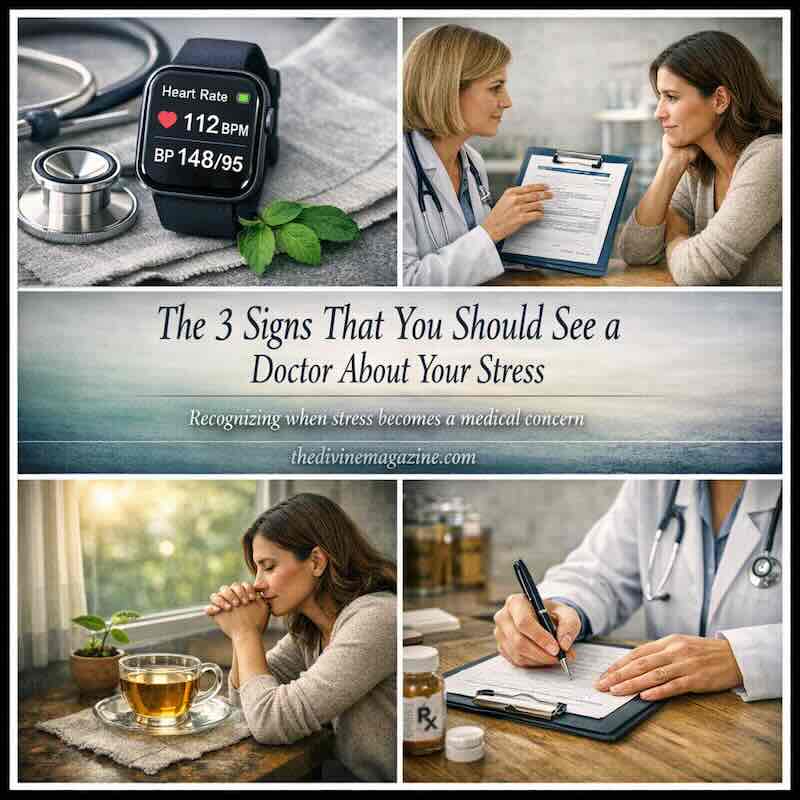
Often, you might think that stress is just an unavoidable byproduct of a digital, fast-paced life and believe you can handle it by yourself. However, as we move through 2026, medical research has made it clearer than ever: if not addressed, chronic stress can lead to systemic health failures that could have been prevented with early medical intervention.
It’s important not to dismiss feelings of chronic exhaustion or anxiety and suffer in silence. A healthcare provider can offer evidence-based support and clinical solutions that go far beyond self-help trends. While there are many strategies for managing stress effectively on your own, there is a definitive line where stress becomes a medical risk. In this article, we will go over the physical signs that indicate it is time to consult a doctor.
Persistent High Blood Pressure (Hypertension)
In 2026, many of us use smartwatches to monitor our vitals in real-time. If your “resting” heart rate or blood pressure remains elevated even when you aren’t active, your body may be trapped in a chronic “fight-or-flight” loop. Ongoing stress causes the adrenal glands to release hormones that increase your heart rate and constrict blood vessels.
This is critical because sustained hypertension is a primary driver of heart disease. If you find that your blood pressure readings are consistently higher than the American Heart Association’s recommended levels, stress is likely compromising your cardiovascular integrity. You can find more details on obtaining accurate readings here.
Chronic Digestion and Gut-Brain Issues
The “gut-brain axis” is a major focus of 2026 medicine. Stress doesn’t just give you a “nervous stomach”—it can physically alter your gut microbiome and slow down or speed up your digestive tract. This often results in chronic diarrhea, constipation, or acid reflux.
For those living with irritable bowel syndrome (IBS), stress acts as a direct inflammatory trigger. If your digestive issues are affecting your ability to eat, work, or sleep, it’s a sign that the stress is causing physiological damage that requires more than just a change in diet.
Unexplained Skin Flare-ups
Your skin is often the first place stress shows up externally. Elevated cortisol levels increase oil production and systemic inflammation, which can trigger or worsen conditions like eczema, psoriasis, or adult acne. If you notice “stress hives” or rashes that do not respond to over-the-counter creams, your immune system is likely being suppressed by your stress levels.
Modern dermatological guidance from the American Academy of Dermatology suggests that treating the skin without addressing the underlying stress is often only a temporary fix. When skincare routines fail, it’s time for a professional medical consultation.
Cognitive “Brain Fog” and Memory Lapses
In the high-information era of 2026, many confuse stress with simple “busyness.” However, if you find yourself unable to concentrate, forgetting basic appointments, or feeling a constant sense of “brain fog,” your brain’s hippocampus may be affected by prolonged cortisol exposure. This is a significant indicator that your mental load has exceeded your biological capacity.
Conclusion
Stress is not a badge of honor or a standard requirement for success; it is a physiological state that, when left unchecked, can rewrite your health profile. Whether it manifests as a skyrocketing blood pressure reading on your wearable device or a flare-up of a chronic skin condition, your body is communicating a need for help. Consulting a doctor allows you to move from reactive “survival” to proactive “thriving” by using clinical tools to restore your body’s balance.
Frequently Asked Questions
Q: Can a doctor actually “cure” stress?
A: A doctor doesn’t cure the source of the stress (like a busy job), but they treat the impact of stress on your body. They can prescribe lifestyle changes, therapy, or medication to help regulate your nervous system.
Q: What should I bring to my appointment?
A: In 2026, it is highly helpful to bring a log of your biometric data (heart rate, sleep patterns) from your phone or wearable, as well as a list of physical symptoms you’ve noticed during high-stress periods.
Q: Is stress-related high blood pressure permanent?
A: Not necessarily. If addressed early through stress management and medical guidance, blood pressure can often return to healthy levels. However, ignoring it for years can cause permanent damage to your arteries.
Q: When does stress become a mental health emergency?
A: If your stress leads to thoughts of self-harm, severe panic attacks, or an inability to function daily, you should seek immediate help. The 988 Suicide & Crisis Lifeline is a vital resource available 24/7.