




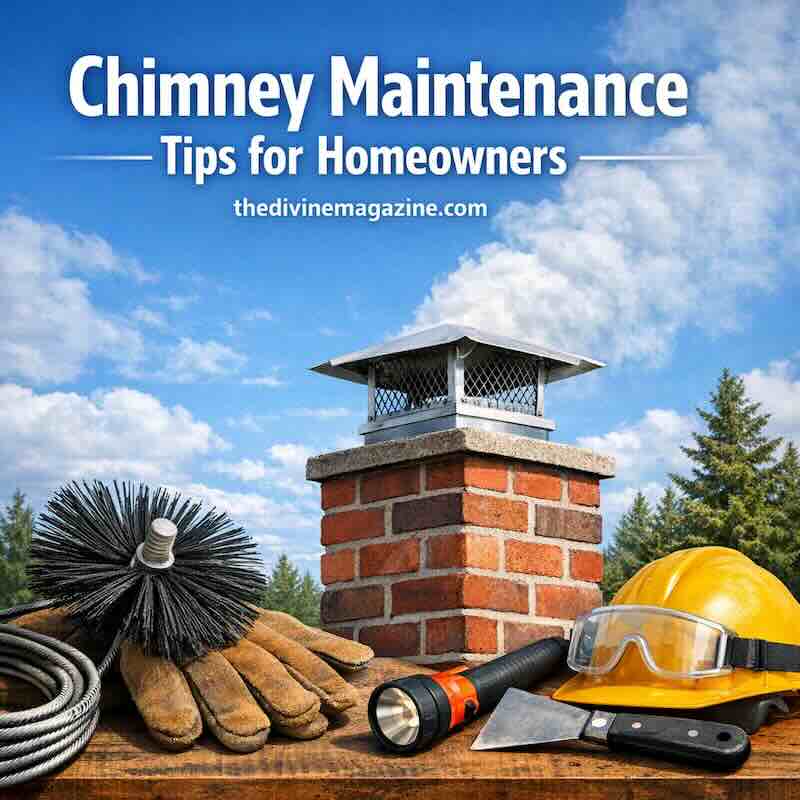
Keeping your chimney well-maintained is an important step for every homeowner who uses a fireplace or wood stove. Not only does proper chimney care ensure a cozy, efficient fire, but it can also prevent serious hazards such as chimney fires and carbon monoxide leakage.
By following tried-and-true maintenance steps, you can enjoy peace of mind and protect your home during the colder months. For homeowners seeking professional services or repairs, turn to the experts at https://southernchimneys.com/chimney-repair/ for expert help and reliable advice on chimney repair needs.
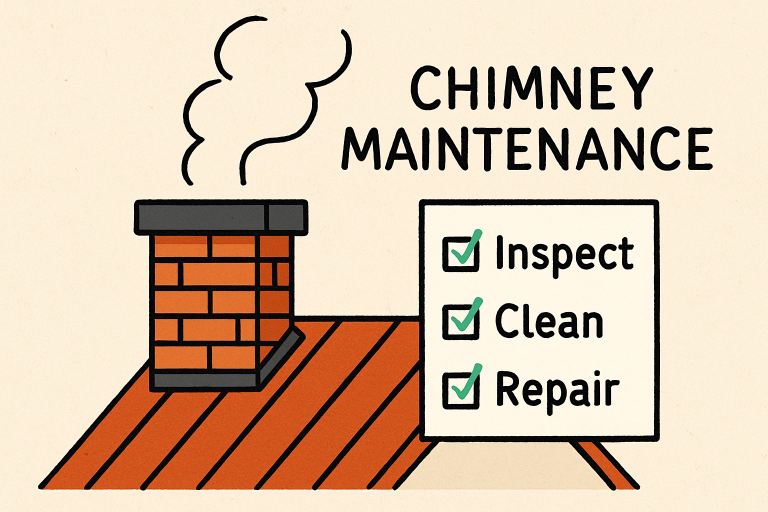
Chimney maintenance is crucial for safety, as neglect can lead to issues like odors and structural damage. Regular inspections and simple annual care help ensure efficient operation of fireplaces and stoves. Maintenance involves more than just cleaning; it protects the entire chimney system from potential problems like cracks and blockages. This guide offers essential tips for homeowners to maintain their chimneys, enhancing safety, efficiency, and longevity while aiding early detection of potential issues.
Schedule Annual Inspections
Every chimney, no matter how often you use it, should be inspected by a certified professional annually. Annual chimney inspections help detect hidden defects, creosote buildup, or blockages caused by leaves, nests, or other debris. Inspections are vital because unseen damage within the chimney or its liner can put your entire household at risk. Certified chimney sweeps use specialized equipment to assess the interior of your chimney and can recommend the best solutions if problems are found.
Regular Cleaning
Routine cleaning is essential because residue and creosote build up inside the flue with every fire. Both are highly flammable and are among the biggest causes of chimney fires. Homeowners who use their fireplaces frequently should consider scheduling a professional cleaning at least once a year. Those who burn wood more often or live in colder climates may need more frequent service. While there are some tools and products available for do-it-yourself cleaning, professional chimney sweeps can thoroughly remove stubborn deposits for safer, more effective venting.
Install a Chimney Cap
A chimney cap is a simple yet effective addition to any chimney system. It acts as a shield, keeping rain, snow, and small animals from entering your chimney, which can cause blockages and water damage. Debris like leaves or twigs can also enter uncovered chimneys and combine with creosote to form dangerous obstructions. Installing and maintaining a secure, properly sized chimney cap significantly reduces these risks and helps prolong your chimney’s lifespan.
Monitor Masonry and Flashing
Over time, the bricks, mortar, and metal flashing around your chimney can deteriorate. Cracks in the masonry, missing mortar joints, or rusted flashing allow water to seep into the structure. This can weaken the chimney’s foundation, damage your roof, and eventually lead to costly repairs. Inspect the exterior of your chimney each season and after severe weather events. If you spot gaps, efflorescence (a white, powdery residue), or crumbling materials, arrange for repairs right away.
Burn Seasoned Hardwood
The type of wood you burn makes a significant difference in both fireplace efficiency and chimney cleanliness. Seasoned hardwoods like oak, hickory, or maple provide hotter, longer-lasting fires and produce less creosote than softwoods or green (unseasoned) wood. Avoid burning materials such as pine, spruce, or treated lumber. Unseasoned or “wet” wood produces excess smoke and accelerates creosote buildup, increasing your maintenance needs and fire risk.
Use a Fireplace Damper
The fireplace damper is an interior flap that controls airflow in and out of the chimney. Keeping the damper open while the fire is burning ensures smoke escapes properly, while closing it after the fire goes out stops drafts and prevents heat loss. Improper operation of the damper can lead to smoke in your living space or added strain on your heating and cooling system. Regularly check that the damper moves freely and forms a tight seal when closed, replacing it if any warping or rust is detected.
Be Mindful of Creosote Buildup
Creosote is a sticky, tar-like substance that forms when wood burns incompletely. Even a thin layer of creosote within a chimney is highly flammable and can ignite at surprisingly low temperatures. Regular monitoring and cleaning are the best ways to prevent dangerous creosote buildup. If you notice a strong, smoky odor or see black, shiny deposits inside the flue, schedule a professional inspection promptly.
Address Water Damage Promptly
Water is one of the most damaging elements to a chimney’s structure. Leaks can lead to mold, rot, rust, and eventually structural collapse. Signs of water damage include staining on the chimney, rust in the firebox, or a musty odor. Quick action is vital, so if you spot any symptoms, call a certified chimney technician to find and repair the source. Preventive steps, such as waterproofing the chimney and ensuring the flashing and chimney cap are secure, can save you from more extensive repairs later on.
Maintaining your chimney can seem like a small task, but its impact on safety and comfort is enormous. With consistent care, professional inspections, and some simple at-home checks, your chimney can serve you well for many years while keeping your home and family protected.