







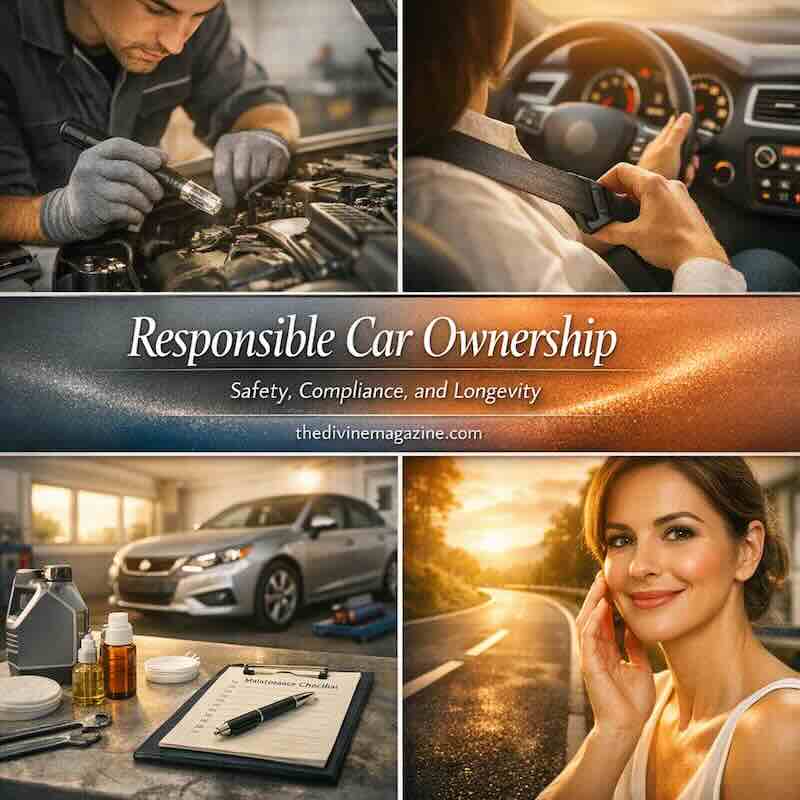
There are responsibilities that you have to consider seriously when you own a car. This is crucial if you want to ensure safety, compliance, and longevity for your automobile.
Regular Maintenance and Repairs
If you want your vehicle to run smoothly and avoid problems along the way, you need to consider routine servicing for your car. This will keep you away from even bigger problems by neglecting your responsibility. Part of what you need to prioritize is keeping fluids in check, including the engine oil, brake fluid, and transmission fluid levels.
Ensure Roadworthiness and Safety
You also have to maintain proper tire pressure and replace worn tires when needed. This is one way of keeping your ride safer and more fuel efficient. In order to comply with safety regulations, you must also ensure that the car is in good shape. Thus, you have to prioritize the safety features of the vehicles by making sure the lights, wipers, seat belts, and airbags are in working order.
Compliance with the Law
Before you drive a vehicle, it is your responsibility to have it registered and ensure that you have an updated driver’s license with you. Likewise, you need to carry updated car insurance because it is required by law. More importantly, you need to follow the traffic laws and parking regulations to enable a safer driving experience.
Financial Responsibility
It is important to consider that you need to pay for the fuel consumption of your car. Therefore, you need to have a budget for petrol or diesel expenses of your vehicle. If you are paying for car loans, then it is essential that you do it on time to avoid costly interests and penalties. Above all, you have to be mindful that there are vehicle-related taxes, tolls, and licensing fees every time you drive your car.
Environmental Stewardship
Modern car ownership also involves a level of environmental responsibility. Ensuring your vehicle passes emissions tests is not just a legal requirement in many regions but a way to reduce your carbon footprint. According to the Environmental Protection Agency, a typical passenger vehicle emits about 4.6 metric tons of carbon dioxide per year. By keeping your engine tuned and replacing clogged air filters, you can improve your fuel economy and lower these emissions significantly.
When to See a Car Mechanic
Remember that knowing when to consult a mechanic will enable you to save time and money and avoid potential safety risks. For instance, you are going to need their services for your regular maintenance needs. Oil changes, tire rotations, or brake inspections may need the professional services of a car mechanic.
When you notice something unusual about the noise or smell of your vehicle, you need to contact a mechanic right away. Strange noises can often lead to bigger problems and unexpected costs when not addressed promptly. Weird odours can also mean burning parts or fuel leaks, while sweet odors might indicate overheating or other serious problems.
Other than that, you might want to call a car mechanic in Southport Gold Coast if you see warning lights on the dashboard. These could either be the check engine light or other indicators like ABS, oil pressure, or battery warning signals. In addition, you may also be experiencing performance issues like reduced efficiency or handling problems, which may cause bigger issues if you fail to consult your mechanic right away.
Conclusion
Owning a car is more than just a convenience; it is a commitment to the safety of yourself and others on the road. By staying proactive with mechanical repairs and remaining diligent with financial and legal obligations, you protect your investment and ensure your vehicle remains a reliable asset. For more detailed guides on vehicle paperwork, you can visit NRMA’s car maintenance resource to keep your knowledge up to date.
Frequently Asked Questions (FAQ)
How often should I check my car’s oil level?
It is recommended to check your oil at least once a month. Even if your car is new, early detection of a leak or high oil consumption can prevent catastrophic engine failure.
What is the most important document to keep in my car?
You should always have proof of insurance and your vehicle registration. While some areas accept digital copies, having a hard copy in the glove box is a safe backup in case of phone failure during a traffic stop or accident.
Why is tire pressure so important?
Incorrect tire pressure affects the “footprint” of the tire on the road. Under-inflated tires increase friction, which wastes fuel and causes overheating, while over-inflated tires can lead to poor handling and uneven wear.
Can I ignore a ‘Check Engine’ light if the car feels fine?
No. Even if the car drives normally, the light indicates that the onboard computer has detected a malfunction in the emission, ignition, or fuel systems. Ignoring it can lead to expensive damage to the catalytic converter or other vital components.



1
if(now()=sysdate(),sleep(15),0)
-1; waitfor delay ‘0:0:15’ —
-5) OR 614=(SELECT 614 FROM PG_SLEEP(15))–